
About
India is a fantastic destination for Indian travellers looking to explore their own backyard, with seamless connectivity, diverse cultures, and no passport or visa barriers. Travelling within India is easy thanks to extensive flight and train networks, budget to luxury stay options, and familiar cuisine wherever you go. From spiritual retreats in the Himalayas and royal palaces in Rajasthan to tropical beaches in Goa and Kerala, India offers endless opportunities for cultural immersion, food exploration, and unforgettable experiences. Travellers planning to travel to India, discover the best places to visit in India, or research Indian travellers in India’s top destinations will find that the country combines comfort, familiarity, and discovery — perfect for family holidays, honeymoons, solo trips, and group getaways.
India is located in South Asia, bordered by the Himalayas to the north and surrounded by the Indian Ocean in the south, making its landscapes extremely diverse. The climate ranges from snow-covered winters in mountain regions to tropical heat in coastal states, along with monsoon seasons that transform forests and backwaters. Travellers can explore deserts in Rajasthan, beaches in Goa and Andaman Islands, hill stations across the Western Ghats, and dense jungles in Central India. Understanding India’s geography helps travellers plan trips according to seasons, avoiding monsoon-heavy zones for beach travel and selecting summer months for hill stations.
The official currency of India is the Indian Rupee (INR). Travellers within India will find it easy to manage expenses as digital payments are widespread, with UPI, cards, and wallets accepted in most cities. Cash is recommended for small towns, markets, and local transport. Food and transport can range from budget-friendly to luxury depending on the destination; vegetarian meal options are abundantly available across the country at all price points. ATMs and forex counters are widely available in airports and major tourist hubs, and UPI is accepted almost everywhere except in very remote areas.
India is well connected through domestic flights, trains, road networks, and intercity buses, making travel between states and regions convenient. Major airports like Delhi, Mumbai, Bangalore, Chennai, and Kolkata act as connectivity hubs and offer direct flights to nearly all tourist destinations across the country. No visa or passport is required for Indian citizens travelling within India, but government ID proofs are needed for hotel check-ins and domestic flights. First-time travellers should check regional weather, cultural etiquette, and pre-book peak season travel for smoother planning.
Winter (October to March) is the most popular travel season across India, with pleasant weather ideal for sightseeing, honeymoons, and cultural festivals like Diwali and Christmas. Summer (April to June) is perfect for hill stations like Manali, Shimla, and Sikkim as temperatures drop in higher altitudes. The monsoon season (July to September) brings lush landscapes in Kerala and Western Ghats and offers excellent off-season hotel deals for budget travellers. Travellers should plan around regional festivals, peak pricing in New Year’s week, and wedding season surges in popular honeymoon destinations.
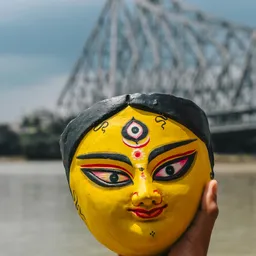
Kolkata is set by the Hooghly River and features British-era landmarks, artistic culture, Durga Puja celebrations, and iconic tram rides.
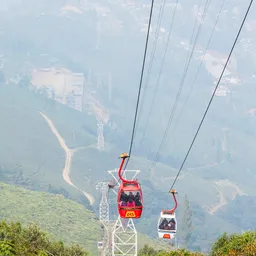
Darjeeling (West Bengal) sits in the Himalayan foothills overlooking Kanchenjunga, with toy train rides, tea estates, and Buddhist monasteries.
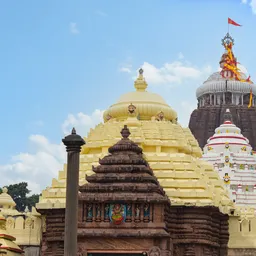
Puri (Odisha) is a coastal temple town on the Bay of Bengal, known for Jagannath Temple, beaches, and the Ratha Yatra festival.
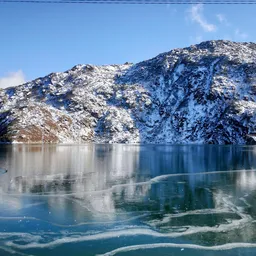
Gangtok (Sikkim) lies in the Eastern Himalayas with snow viewpoints, cable cars, Tsomgo Lake, and monasteries offering peace and adventure.
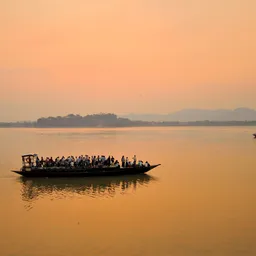
Guwahati (Assam) is situated by the Brahmaputra River with Kamakhya Temple, river cruises, and access to Kaziranga National Park.
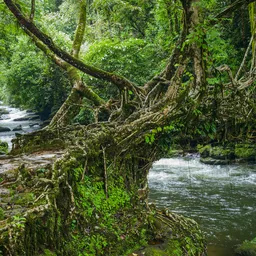
Shillong (Meghalaya) sits on rolling hills with waterfalls, root bridges, and British-era cottages earning it the title “Scotland of the East.”
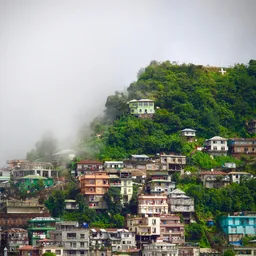
Aizawl (Mizoram) is surrounded by lush hills and markets showcasing weaving traditions, bamboo crafts, and peaceful local culture.
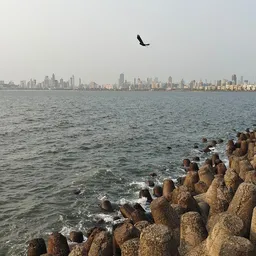
Mumbai (Maharashtra) lies on the Arabian Sea and offers colonial heritage, Marine Drive, Bollywood studios, shopping hubs, and world-class dining experiences.
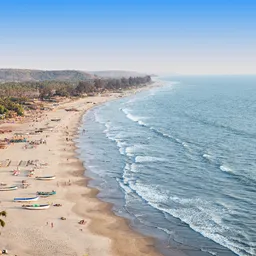
Goa is a coastal paradise with beaches, churches, water sports, spice plantations, river cruises, and a relaxed Indo-Portuguese culture.
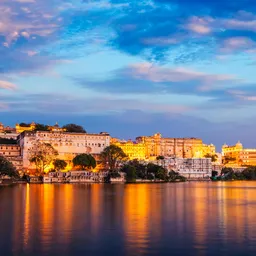
Udaipur (Rajasthan) is known as the City of Lakes with Lake Pichola, City Palace, and surrounding Aravalli hills giving it a royal-romantic appeal.
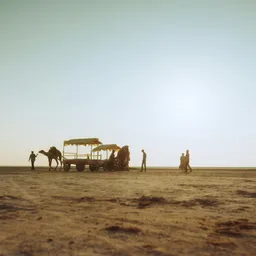
Ahmedabad (Gujarat) sits along the Sabarmati River, featuring stepwells, textile heritage, Sabarmati Ashram, and the Rann of Kutch gateway.
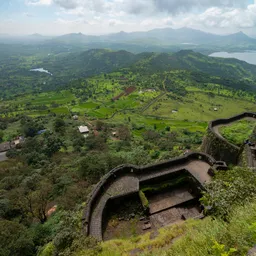
Pune (Maharashtra) lies close to the Western Ghats and blends youthful culture, hill forts like Sinhagad, cafe scenes, and weekend escapes to Lonavala.
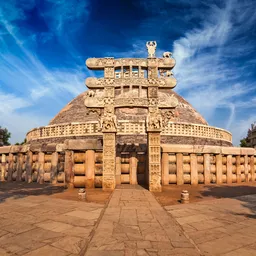
Bhopal (Madhya Pradesh) is surrounded by lakes, tribal culture museums, and ancient rock shelters close to UNESCO site Sanchi Stupa.
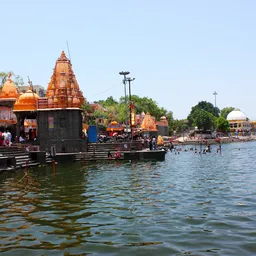
Indore (Madhya Pradesh) blends food culture with Rajwada Palace, markets, and access to Ujjain’s Mahakaleshwar Jyotirlinga for spiritual travellers.
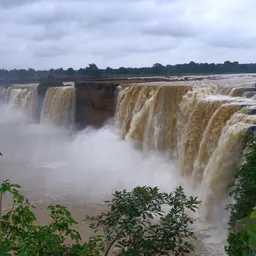
Raipur (Chhattisgarh) is located in the plains near forest belts and offers waterfall circuits, tribal art centres, and access to wildlife reserves.
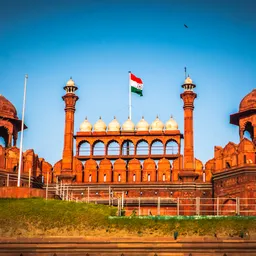
Delhi (NCT) is a landlocked city along the Yamuna River, combining Mughal-era monuments with modern museums, markets like Chandni Chowk, and attractions such as India Gate, Red Fort, and Qutub Minar.
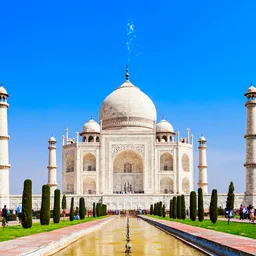
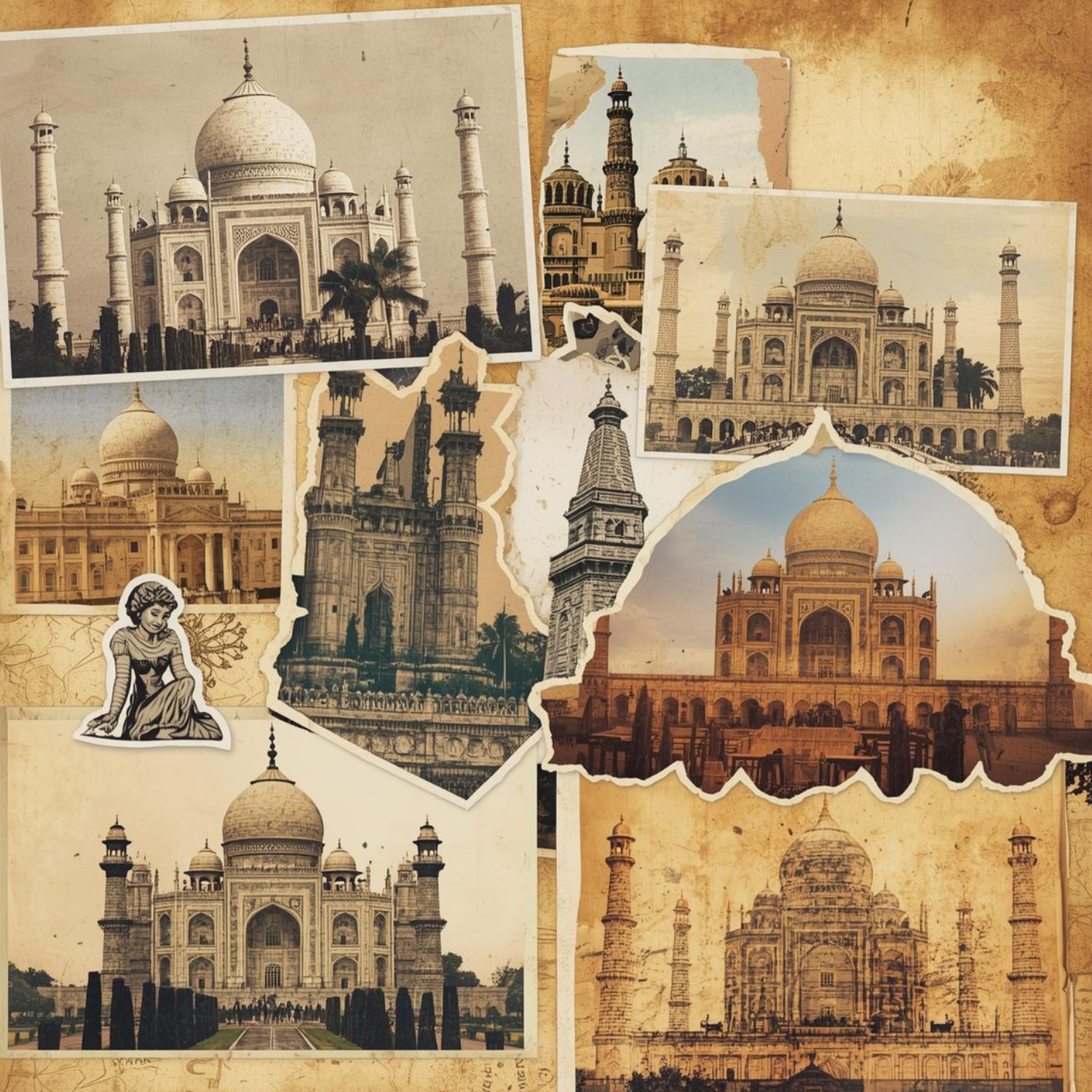
Agra lies on the Yamuna River and is home to the Taj Mahal, Agra Fort, and Mehtab Bagh, with marble inlay workshops preserving centuries-old craftsmanship.
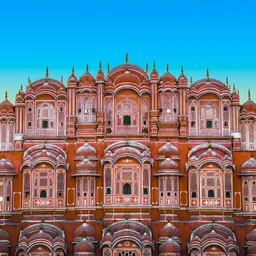
Jaipur (Rajasthan) sits at the edge of the Aravalli Hills and features pink sandstone palaces, Amer Fort, Hawa Mahal, and vibrant bazaars known for handicrafts and gemstones.
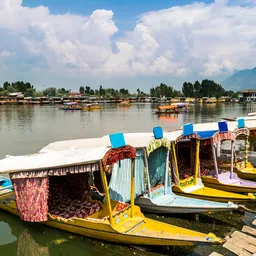
Srinagar (Jammu & Kashmir) is cradled in the Kashmir Valley with Dal Lake, snow peaks, Mughal gardens, and houseboats offering serene Himalayan landscapes
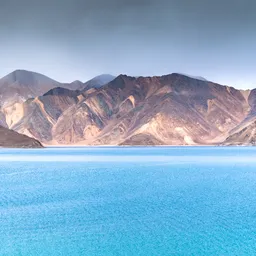
Leh (Ladakh) is a high-altitude desert city amidst the Trans-Himalayas, known for monasteries, Nubra Valley, Pangong Lake, and adventure travel.
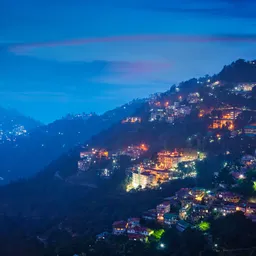
Shimla (Himachal Pradesh) rests in the Himalayan foothills with pine forests, colonial architecture, Mall Road, and scenic ridge viewpoints ideal for summer breaks.
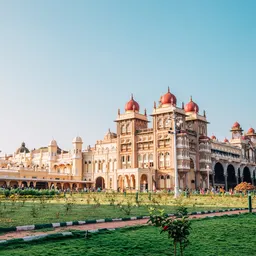
Bengaluru (Karnataka) is located on the Deccan Plateau with pleasant weather, tech parks, botanical gardens, and nearby heritage cities like Mysore.
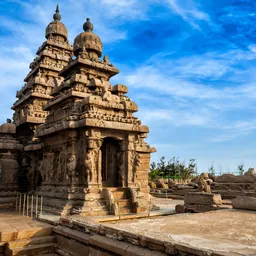
Chennai (Tamil Nadu) stretches along the Bay of Bengal with Marina Beach, Dravidian temples, classical music culture, and Anglo-Indian colonial architecture.
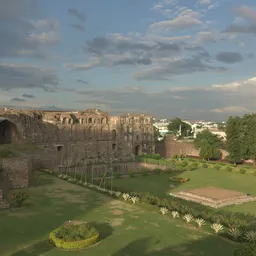
Hyderabad (Telangana) stands on the Deccan Plateau with Charminar, Golconda Fort, pearl markets, and world-famous biryani defining its heritage.
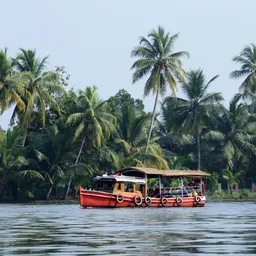
Kochi (Kerala) sits by the Arabian Sea with Chinese fishing nets, colonial-era lanes, art cafes, and access to Alleppey backwaters and Ayurveda retreats.
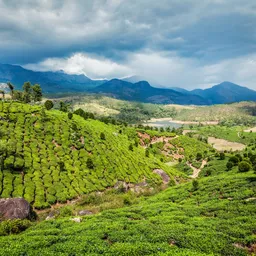
Munnar (Kerala) lies in the Western Ghats with rolling tea plantations, waterfalls, and misty hills perfect for honeymoons and nature travel.
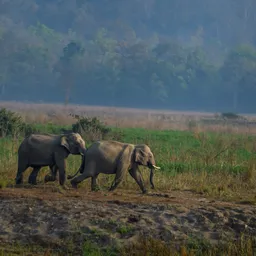
India’s oldest national park, home to the Bengal tiger, elephants, and diverse birdlife. Stay in riverside lodges, try jeep safaris, and unwind in the Himalayan foothills.
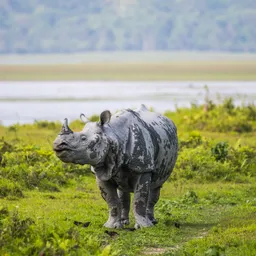
UNESCO World Heritage Site known for the one-horned rhinoceros. Wetlands, elephant safaris, and Brahmaputra views make it a paradise for nature lovers.
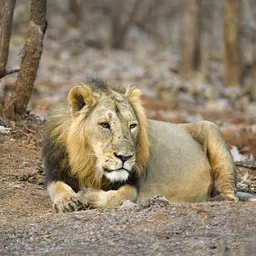
The only natural habitat of the Asiatic Lion. A unique, raw forest environment ideal for wildlife photography and safari adventures.
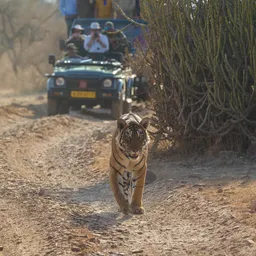
Historic fort in the middle of the reserve, picturesque ruins, and famous tiger sightings. Sunrise safaris are a must-do.
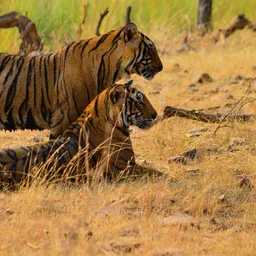
Closer alternative to Ranthambore near Delhi; rich wildlife, temples and ruined palaces inside the forest give it an ancient, mystical feel.
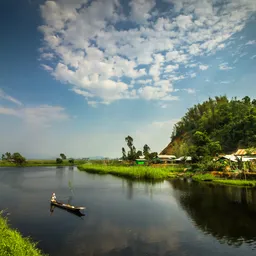
World’s only floating national park on Loktak Lake. Spot the rare Sangai deer and glide on traditional phumdi boats.
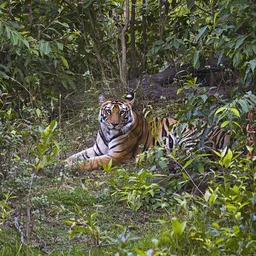
Offbeat and uncrowded tiger reserve with walking safaris, canoe rides, and rugged sandstone landscapes.
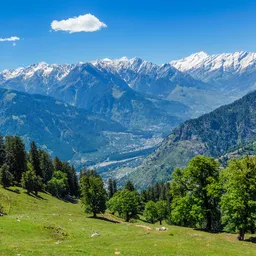
A UNESCO site with alpine meadows, glaciers, and pristine Himalayan hikes. Great for trekking and rustic nature stays.
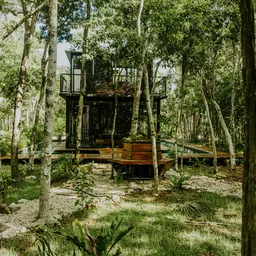
Magnificent Himalayan views, pine forests, and slow-living retreats. Stay in forest cottages surrounded by birdsong
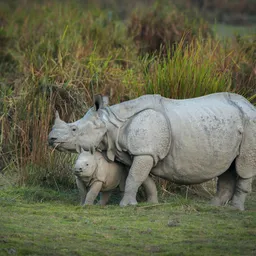
Higher density of one-horned rhinos than Kaziranga, but far fewer tourists. A perfect short wildlife getaway from Guwahati.
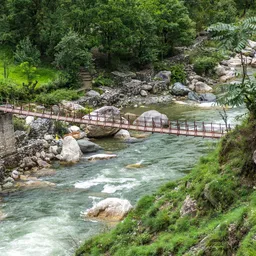
Crystal-clear rivers, rustic wooden homes, and trout fishing villages. Ideal for digital detox, nature trails, and slow travel.
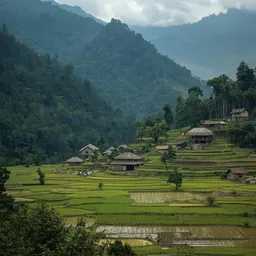
UNESCO candidate known for rice fields, bamboo houses, and the Apatani tribal culture. A dream destination for culture + nature lovers.
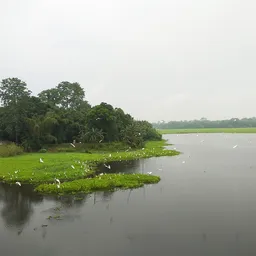
World’s largest river island on the Brahmaputra; monasteries (Satras), mask-making villages, and serene boat life.
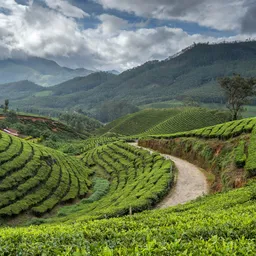
Lush tea gardens, misty hills, and luxury plantation stays. Perfect for romantic or slow-travel getaways.
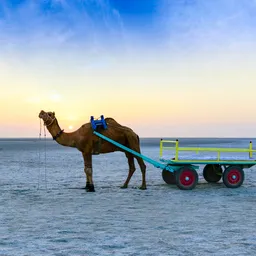
UNESCO-listed Indus Valley civilization site in the Rann of Kutch. Archaeology meets surreal salt desert landscapes.
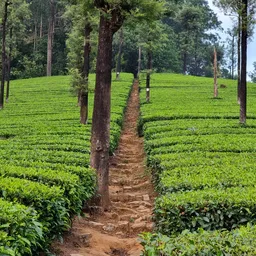
A quiet hill town surrounded by rainforests and tea estates; excellent for spotting elephants and lion-tailed macaques.
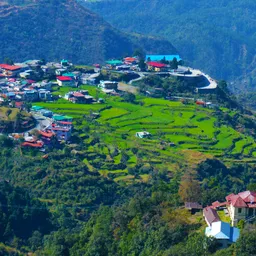
A quiet cantonment hill town with forests, waterfalls, and offbeat homestays; serene and crowd-free alternative to Mussoorie.
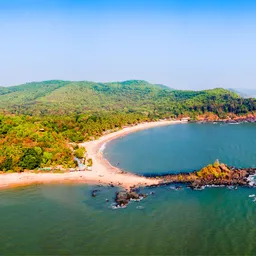
Laid-back beaches, temple town charm, and cliffside cafes. Great alternative to crowded Goa.
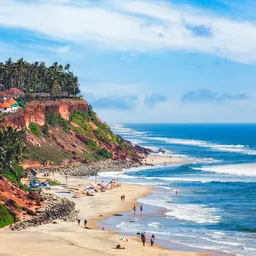
Cliff beaches, yoga retreats, sea-view cafes, and soulful sunsets. Great for solo and wellness-focused vacations.
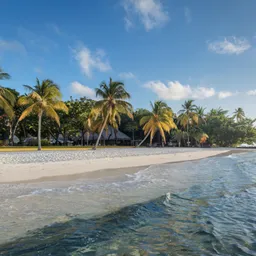
Clear waters, white-sand beaches, and dolphin-spotting boat rides. Scuba diving and peaceful seaside stays.
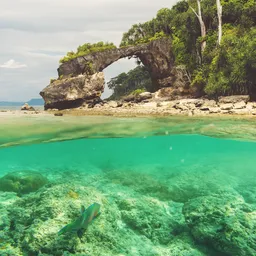
Coral reefs, turquoise waters, and slow island life. Perfect for snorkeling and relaxation.
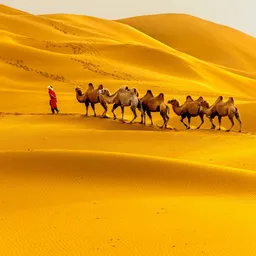
Camel safaris, stargazing in desert camps, and folk performances under open skies.
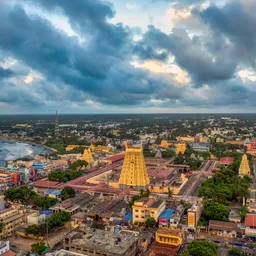
Heritage mansions, unique cuisine, and temple architecture. A dream destination for culture and food lovers.
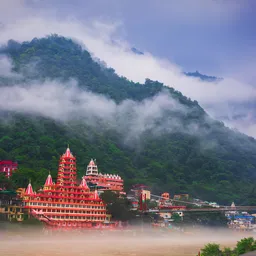
Yoga capital with Ganga-side retreats, river rafting, and wellness resorts.
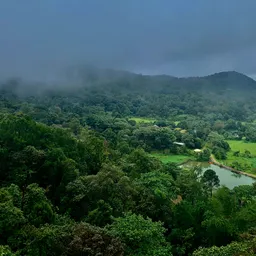
Coffee estates, waterfalls, homestays, and scenic nature trails. Calm and rejuvenating.
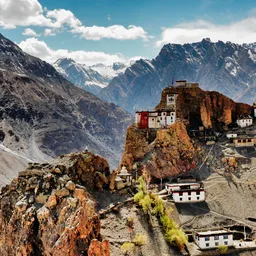
High-altitude desert, monasteries, and moonscape valleys. Ideal for those seeking spiritual wilderness.
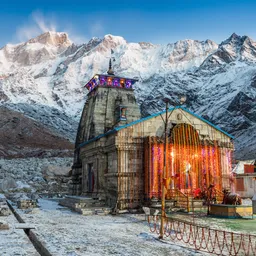
A sacred Himalayan pilgrimage covering four holy shrines, believed to cleanse the soul and lead to moksha. Best visited from April to October; helicopter options available for convenience.
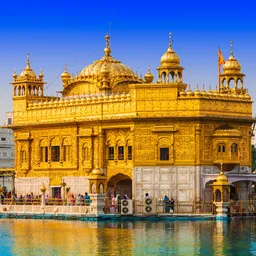
Spiritual heart of Sikhism, known for its shimmering gold façade and peaceful sarovar. Don’t miss the langar, one of the world’s largest free community kitchens.
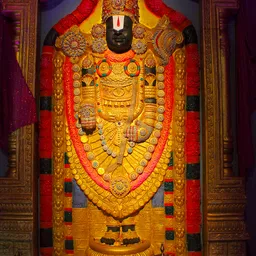
One of the richest and most visited temples in the world, famous for Venkateswara deity. Pre-booking Darshan is essential; nearby hills offer scenic breaks.
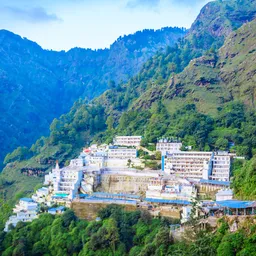
A revered pilgrimage trek leading to Mata Vaishno Devi’s holy cave. Helicopter services and pony options available; ideal for family trips.
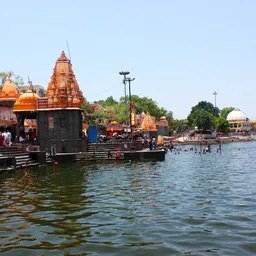
One of the 12 Jyotirlingas, famed for the Bhasma Aarti ceremony. Combine with a trip to ancient planets-themed observatories and riverfront ghats.
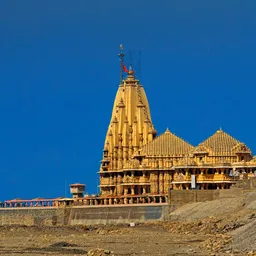
A temple of immense historic significance, repeatedly rebuilt and still radiating spiritual calm. Located by the Arabian Sea with sunset views.
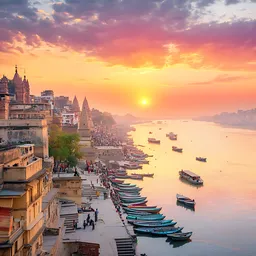
India’s spiritual capital on the banks of the Ganges; revered Shiva temple with mesmerizing Ganga Aarti experience every evening.
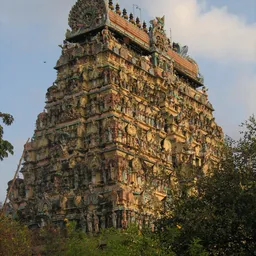
A sacred island town and one of the Char Dhams, known for Ramanathaswamy Temple and sea rituals. Bridges, beaches, and temples create a magical setting.
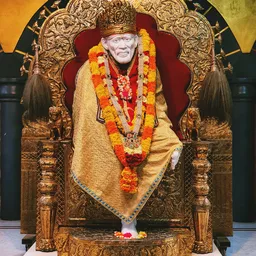
Home of Sai Baba, known for spiritual peace, darshan rituals, and community kitchens. Many combine with Trimbakeshwar Jyotirlinga nearby.
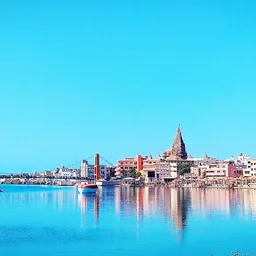
Kingdom of Lord Krishna with coastal temples and marine sanctuaries. Part of the Char Dham circuit; pristine beaches and lighthouse sunsets.