
About
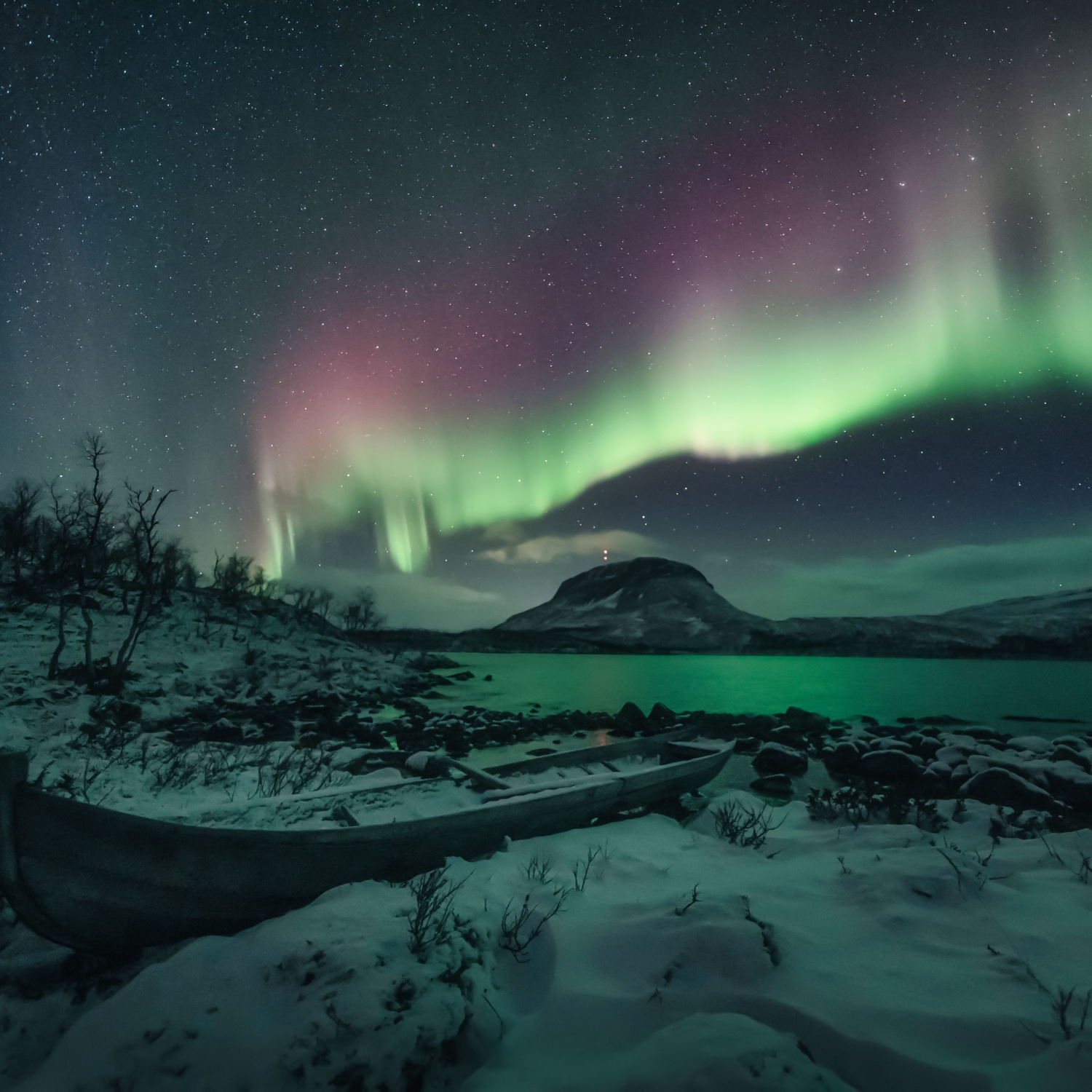
Norway is one of Europe’s most breathtaking destinations, famous for its dramatic fjords, snow-capped mountains, Northern Lights, scenic rail journeys, and charming Nordic cities. For Indian travellers, travel to Norway is smooth and safe, with excellent public transport, English widely spoken, and world-class tourist infrastructure. Whether it’s chasing the Aurora Borealis, cruising through UNESCO-listed fjords, enjoying midnight sun experiences, or exploring Viking culture and modern Scandinavian cuisine, Norway offers unforgettable experiences across all seasons. With increasing interest among Indian travellers in Norway for nature-based holidays, road trips, and winter adventures, it is fast becoming one of the best places to visit in Norway for families, couples, and explorers alike.
Norway is located in Northern Europe, stretching along the western edge of the Scandinavian Peninsula and bordered by Sweden, Finland, and Russia. The country is known for its long coastline, deep fjords, mountain ranges, islands, glaciers, and Arctic tundra in the north. Norway experiences four distinct seasons, with cold snowy winters and mild summers, and natural phenomena like the Midnight Sun in summer and Northern Lights in winter—important factors for Indian travellers planning seasonal trips.
The official currency of Norway is the Norwegian Krone (NOK). Indian travellers are advised to carry international debit or credit cards, as Norway is largely cashless, and cards are accepted almost everywhere, including public transport and small cafés. ATMs are easily available in cities, but carrying minimal cash is sufficient. Food costs are relatively high, with meals averaging NOK 150–300, making advance planning and passes essential for budget management.
Indian travellers can reach Norway via one-stop flights from major Indian cities like Delhi, Mumbai, and Bengaluru through hubs such as Doha, Dubai, Frankfurt, or Amsterdam. Oslo Gardermoen Airport is the main international gateway, with Bergen and Stavanger also handling international flights. Indian passport holders require a Schengen visa, and the average travel time is 12–15 hours depending on connections. Early visa application and pre-booking internal travel is highly recommended.
The best time to visit Norway depends on travel interests. Summer (June to August) is ideal for fjord cruises, road trips, and Midnight Sun experiences, while winter (November to March) is perfect for Northern Lights, snow activities, and Arctic adventures. Shoulder months like May and September offer fewer crowds and better prices, making them attractive for budget-conscious Indian travellers
Book fjord cruises and scenic trains in advance to avoid peak pricing
Use city passes like Oslo Pass for attractions and transport
Prefer supermarkets and bakeries for meals to reduce food costs
Carry a refillable water bottle; tap water is free and safe
Travel during shoulder season for better hotel deals
Use public transport instead of taxis
Opt for vegetarian-friendly global cuisines available in cities
Pre-book Northern Lights tours for better value
Stay in centrally located hotels to save on commuting
Plan multi-city trips with scenic train routes instead of flights
Warm layers, thermals, and insulated jackets (even in summer)
Waterproof jacket and comfortable walking shoes
Universal power adapter (Type C/F)
Basic medicines and personal prescriptions
Winter accessories: gloves, caps, scarves (for winter trips)
Sunglasses and sunscreen (important during summer)
Compact backpack for day tours
Ready-to-eat snacks for long journeys
Reusable water bottle
Camera or smartphone with extra storage for scenic photography
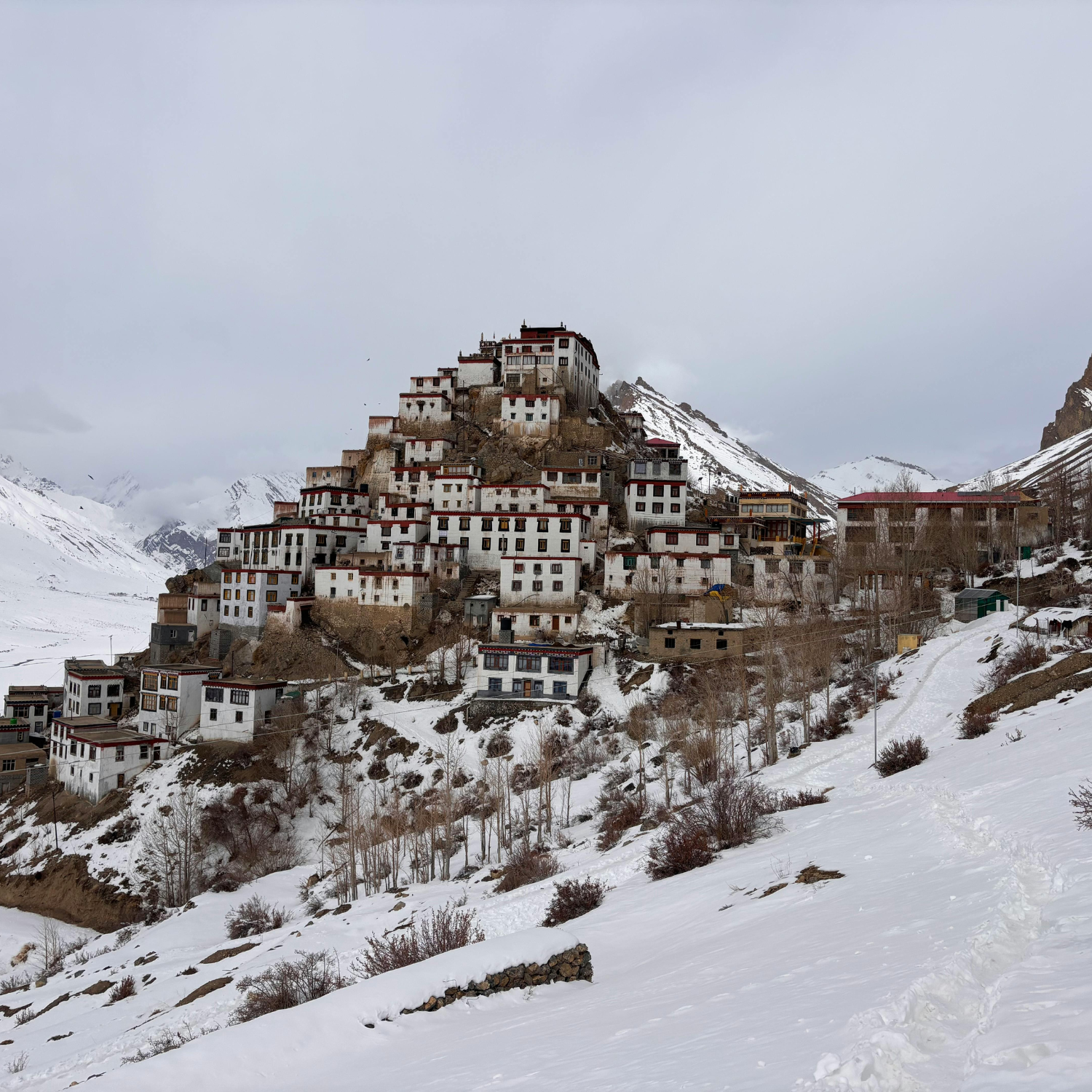
Oslo, Norway’s capital, is beautifully located between the Oslofjord and forested hills, combining modern architecture with Viking history. Major attractions include the Viking Ship Museum, Opera House, Akershus Fortress, and vibrant waterfront districts.
Lillehammer, set in a mountain valley north of Oslo, is known for its Olympic heritage, outdoor skiing culture, and traditional Norwegian open-air museums, making it ideal for winter and cultural travellers.
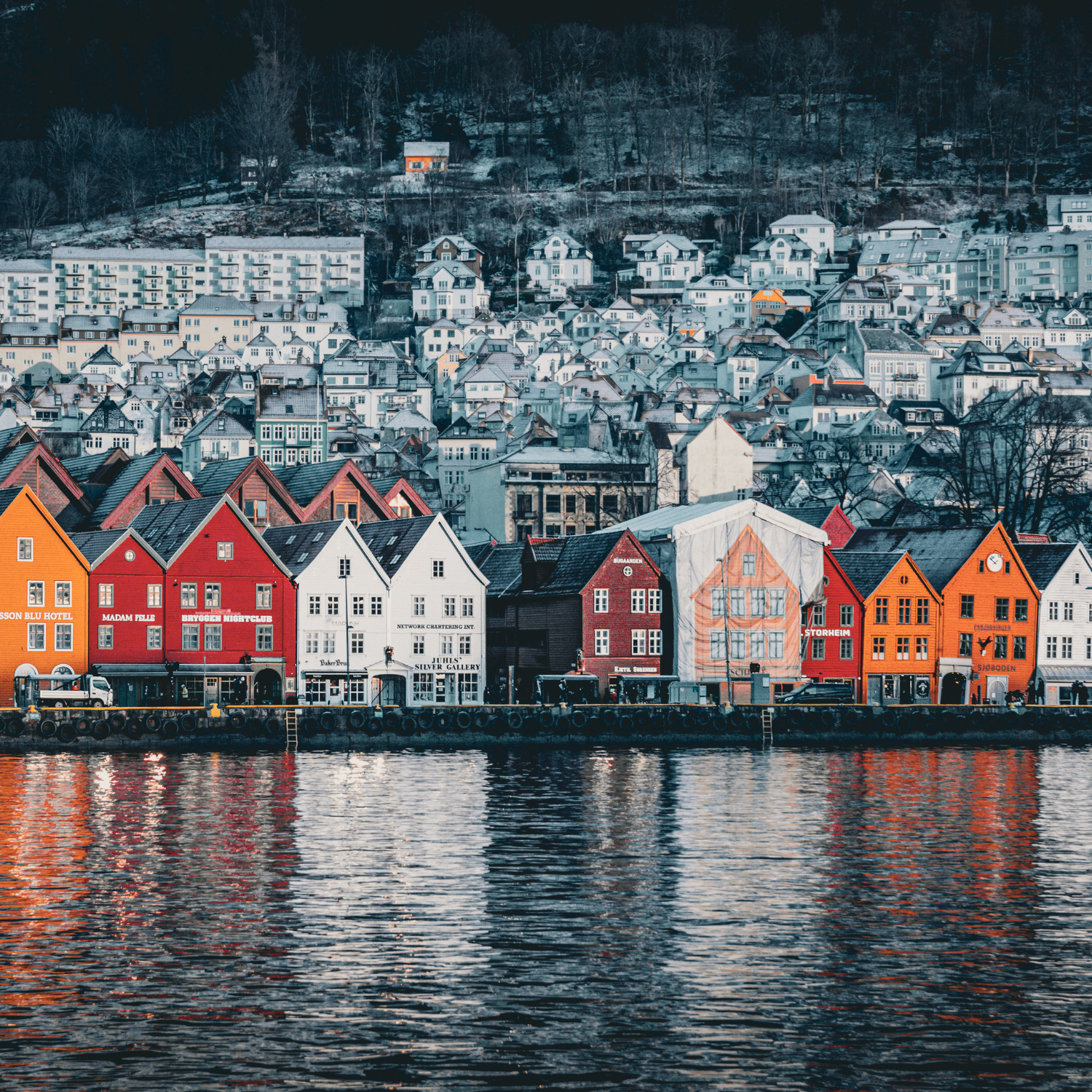
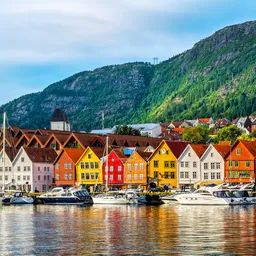
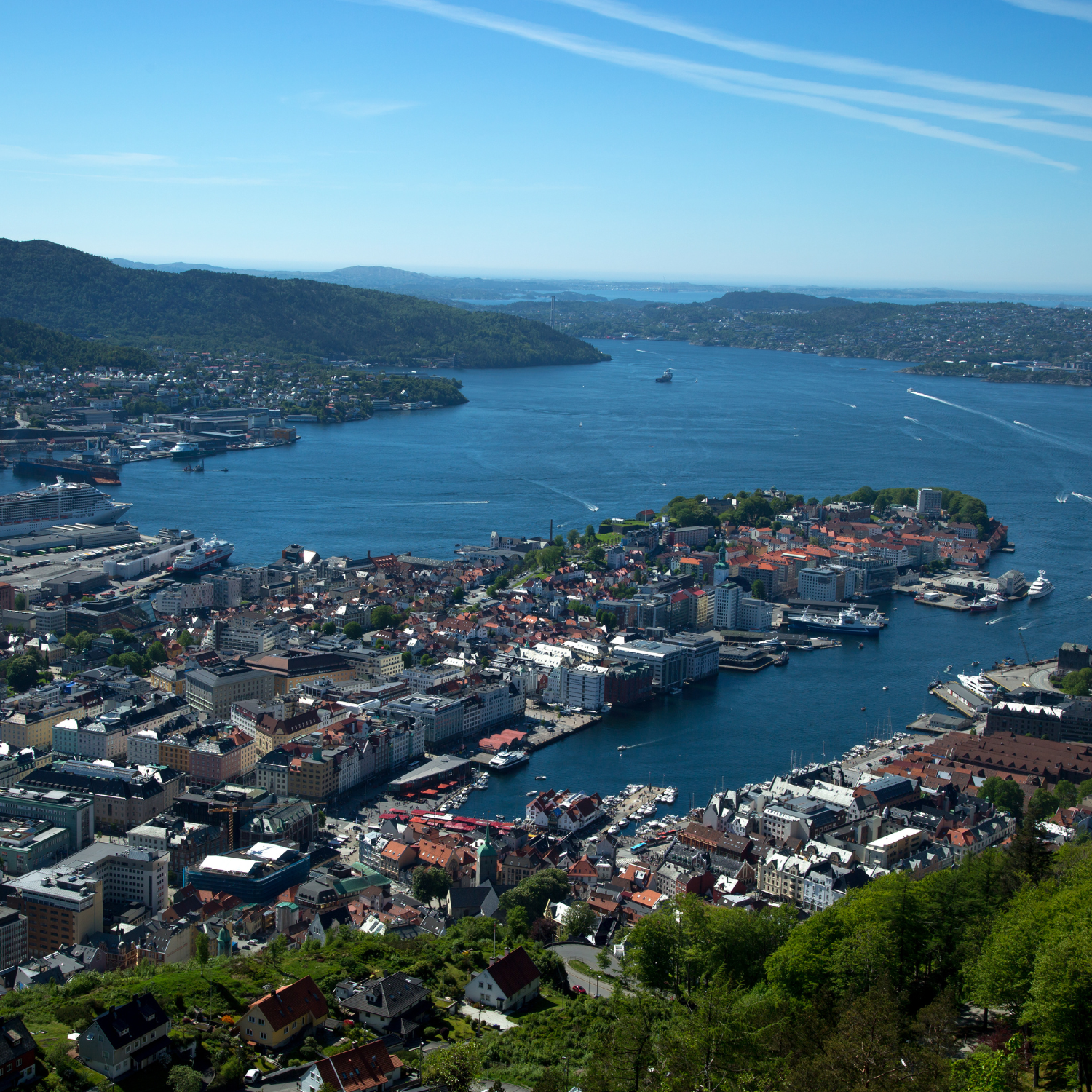
Bergen, the gateway to the Norwegian fjords, is surrounded by seven mountains and offers access to iconic fjords like Sognefjord and Hardangerfjord. Its colourful Bryggen Wharf (UNESCO) and fjord cruises make it a must-visit.
Flåm, nestled deep inside Aurlandsfjord, is world-famous for the Flåm Railway, one of the most scenic train journeys on earth, passing waterfalls, valleys, and alpine landscapes.
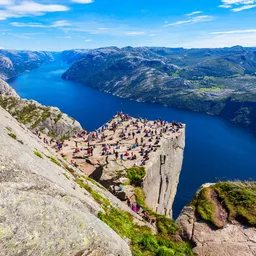
Stavanger sits along Norway’s southwest coast and is the starting point for adventures to Preikestolen (Pulpit Rock) and Lysefjord, offering dramatic cliff views and coastal charm.
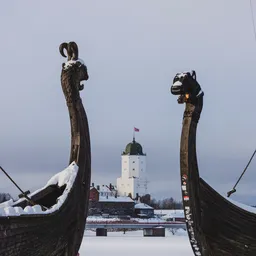
Trondheim, Norway’s historic capital, lies along the Trondheimsfjord and is famous for Nidaros Cathedral, colourful riverside warehouses, and rich Viking-era heritage. The city offers a perfect mix of history, coastal scenery, and student-driven cultural life.
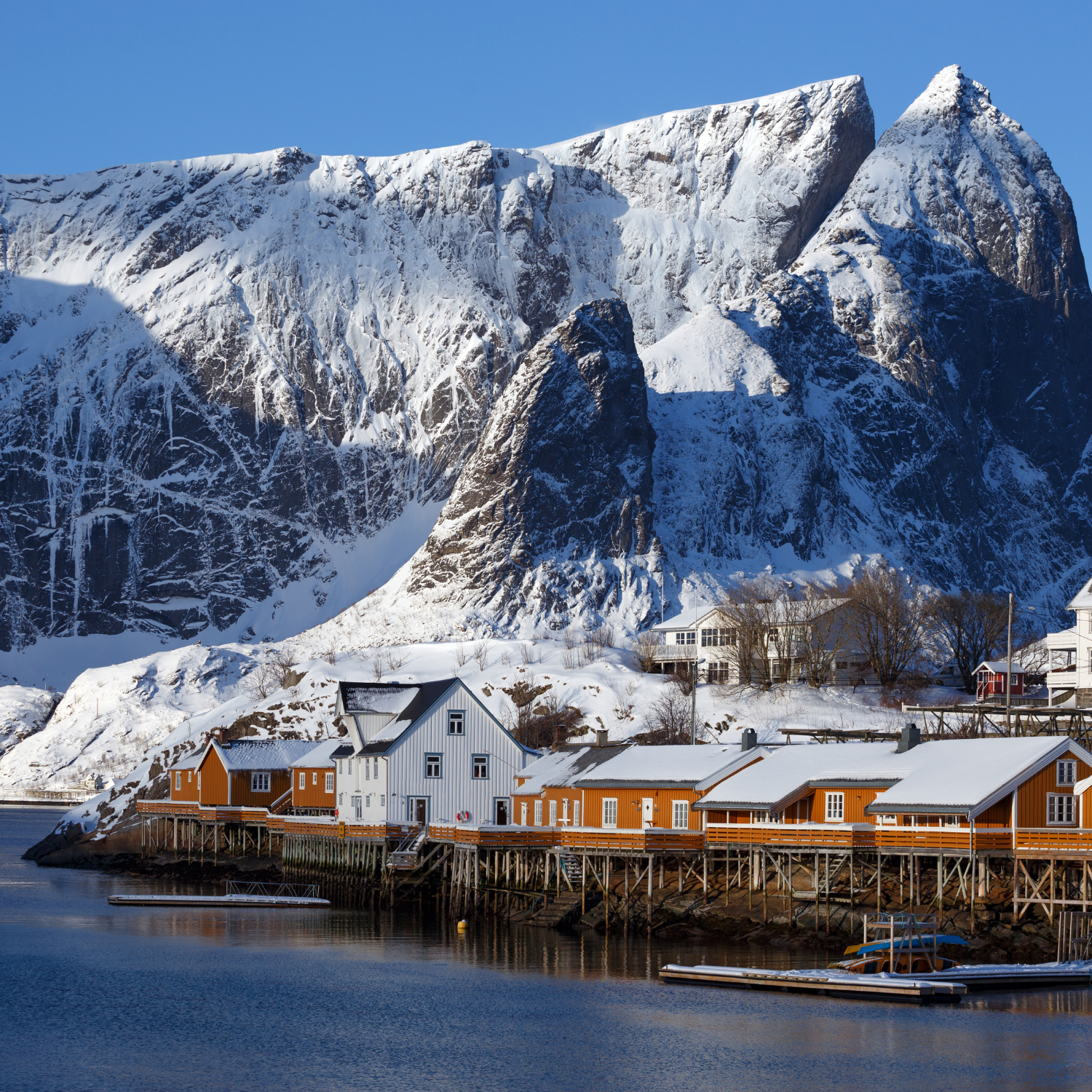
Røros, a preserved mining town and UNESCO World Heritage Site, is known for its wooden houses, snowy landscapes in winter, and traditional Norwegian craftsmanship.
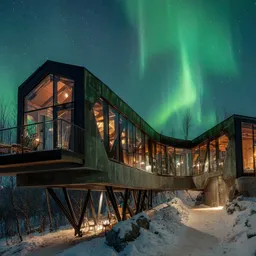
Tromsø lies well above the Arctic Circle and is one of the world’s best places to witness the Northern Lights in winter and the Midnight Sun in summer. Surrounded by fjords and mountains, it offers aurora safaris, Sami culture experiences, and Arctic wildlife cruises.
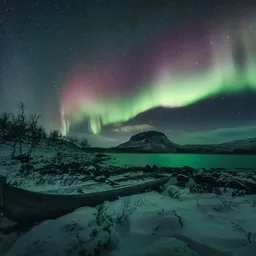
Alta, known as the “City of the Northern Lights,” features open landscapes, prehistoric rock carvings (UNESCO-listed), and excellent conditions for aurora viewing and snow-based adventures.
Lofoten Islands (Svolvær, Reine) are famed for dramatic peaks rising straight from the sea, picturesque fishing villages, and scenic drives, making them ideal for photography, hiking, and coastal experiences.
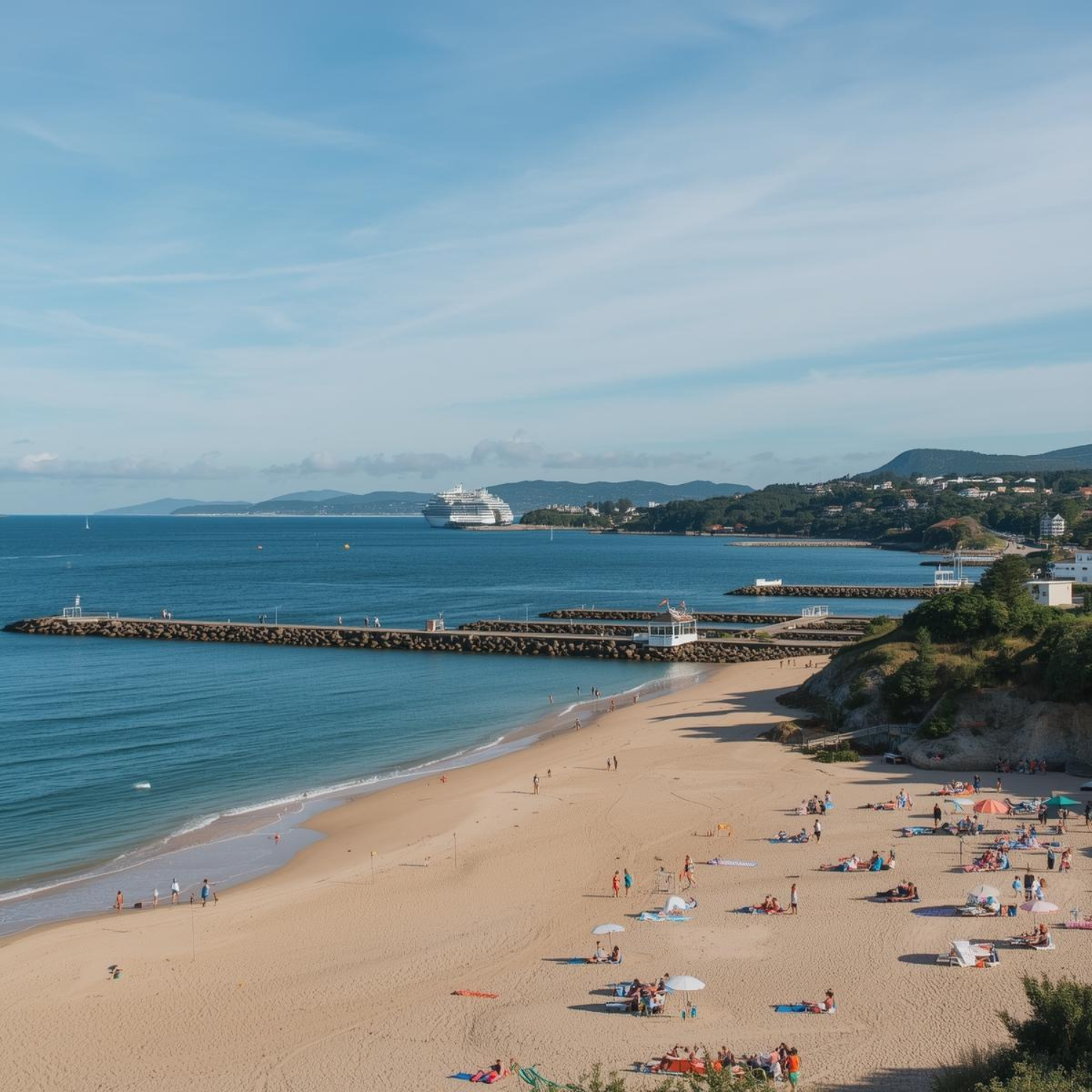
Kristiansand, located along Norway’s southern coast, is known for sandy beaches, family-friendly attractions, and relaxed seaside vibes. It is popular for summer cruises, coastal walks, and visits to the Kristiansand Zoo.
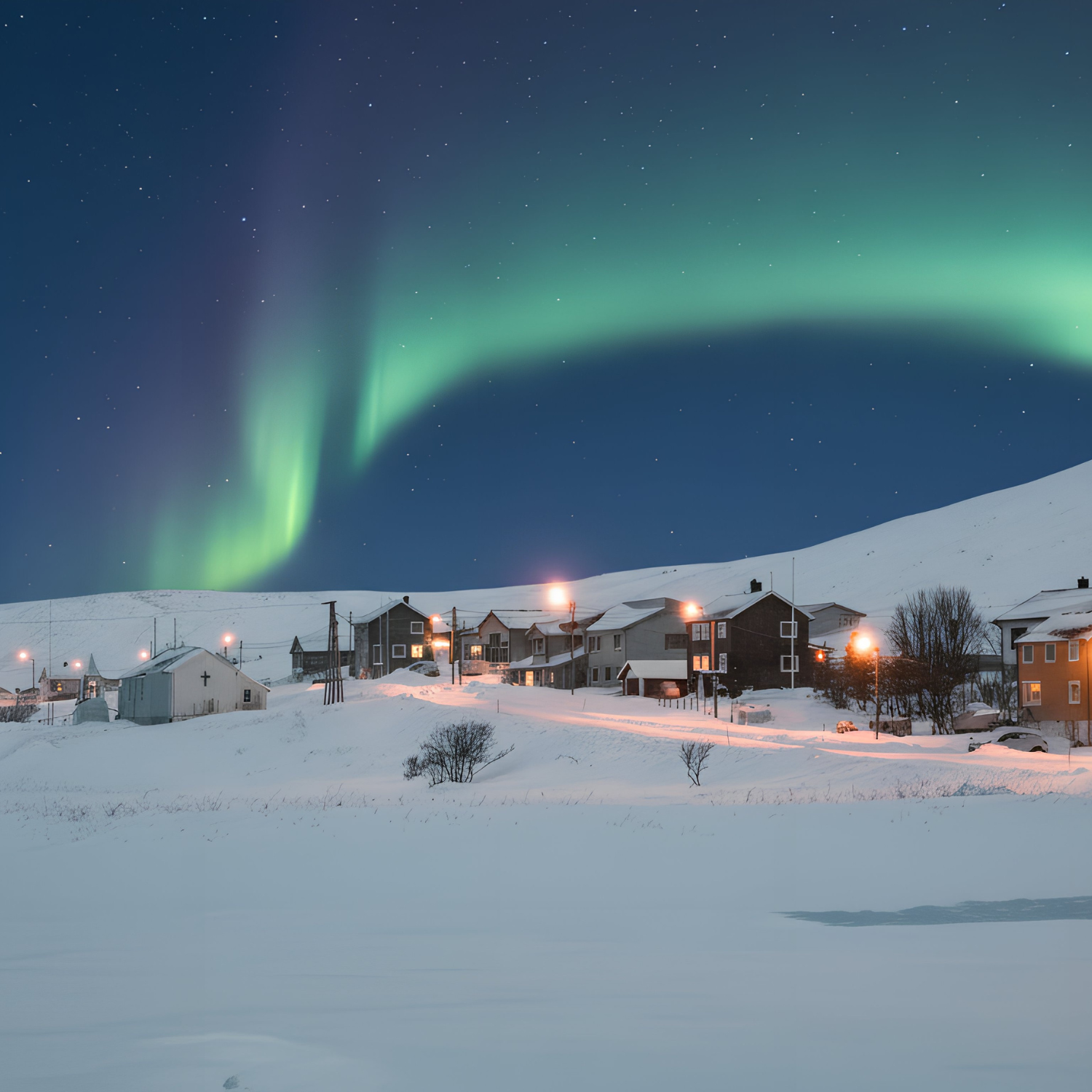
Arendal, part of Norway’s scenic southern archipelago, offers charming harbours, wooden architecture, and island-hopping experiences, ideal for travellers seeking a quieter coastal escape.
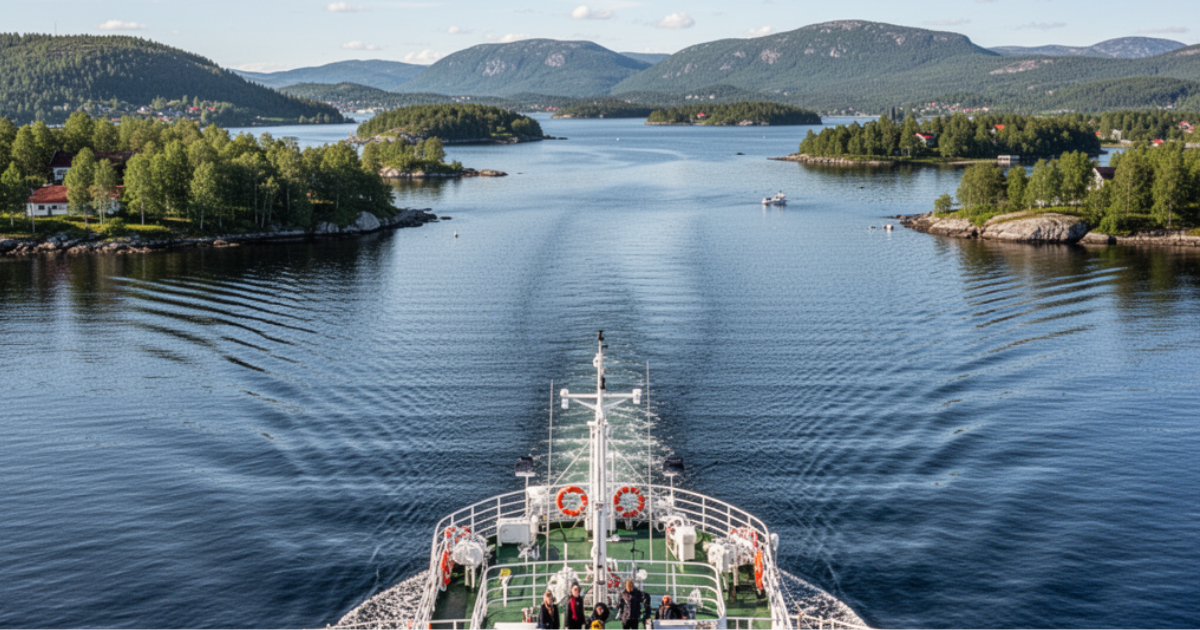
A relaxing cruise across the scenic Oslo Fjord is one of the most enjoyable ways to explore the natural beauty surrounding Oslo. The boat sails past charming islands, historic lighthouses, and coastal villages while offering panoramic views of Oslo’s waterfront skyline. Many travellers choose this experience as a half-day sightseeing tour, with departures usually available between 10:00 AM and 5:00 PM, while sunset cruises are particularly popular during summer
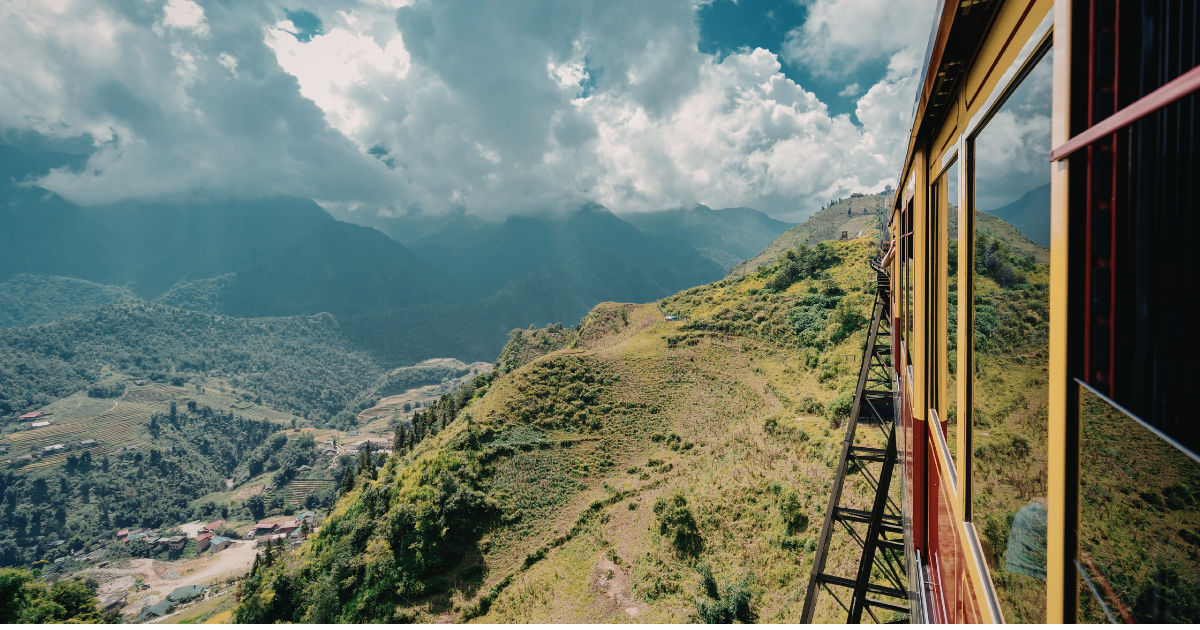
The iconic Norway in a Nutshell is one of the most famous travel experiences in Norway and a highlight of most Scandinavian itineraries. This full-day journey combines scenic train travel, fjord cruising, and mountain bus routes to showcase Norway’s most dramatic landscapes. Travellers typically begin in Oslo or Bergen, taking a train to Myrdal, connecting to the famous Flåm Railway, cruising through the UNESCO fjords, and continuing onward to Bergen. The experience usually starts early morning around 07:00–08:00 and lasts an entire day, making advance reservations highly recommended during peak travel seasons.
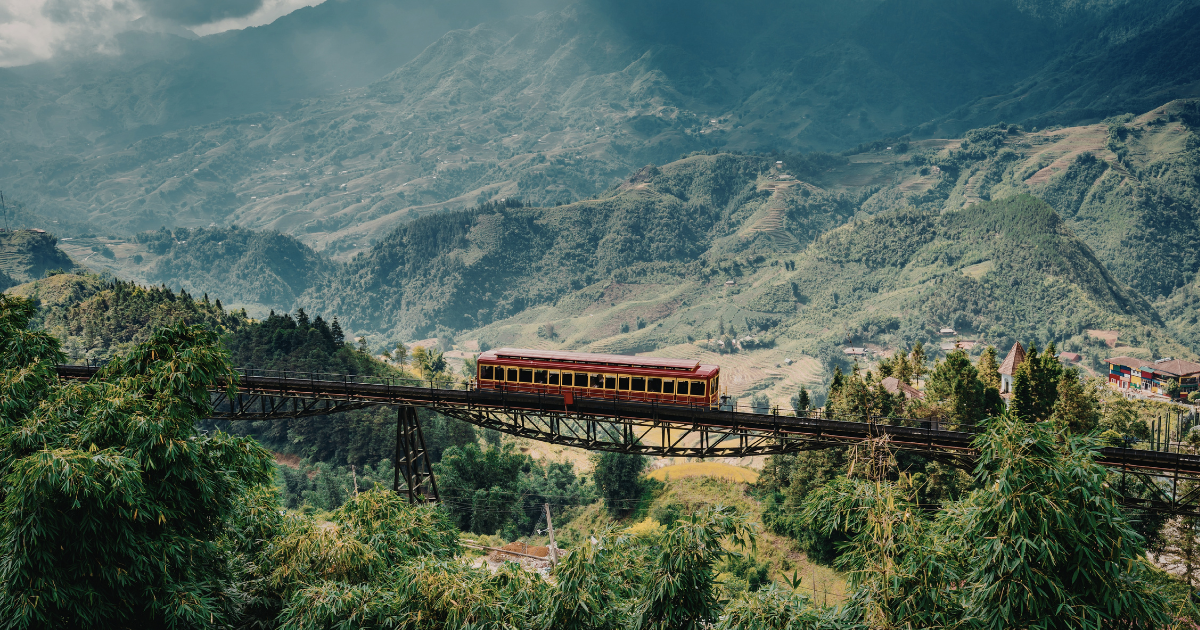
The legendary Flåm Railway is widely regarded as one of the world’s most beautiful train journeys. The railway connects Flåm to Myrdal, descending steep mountain valleys through dramatic landscapes of waterfalls, forests, and snow-covered peaks. The train travels through tunnels carved into the mountains and makes a scenic stop at Kjosfossen Waterfall for photos. Departures run several times a day, typically between 09:00 AM and 4:00 PM, and seats should be reserved in advance due to high demand.
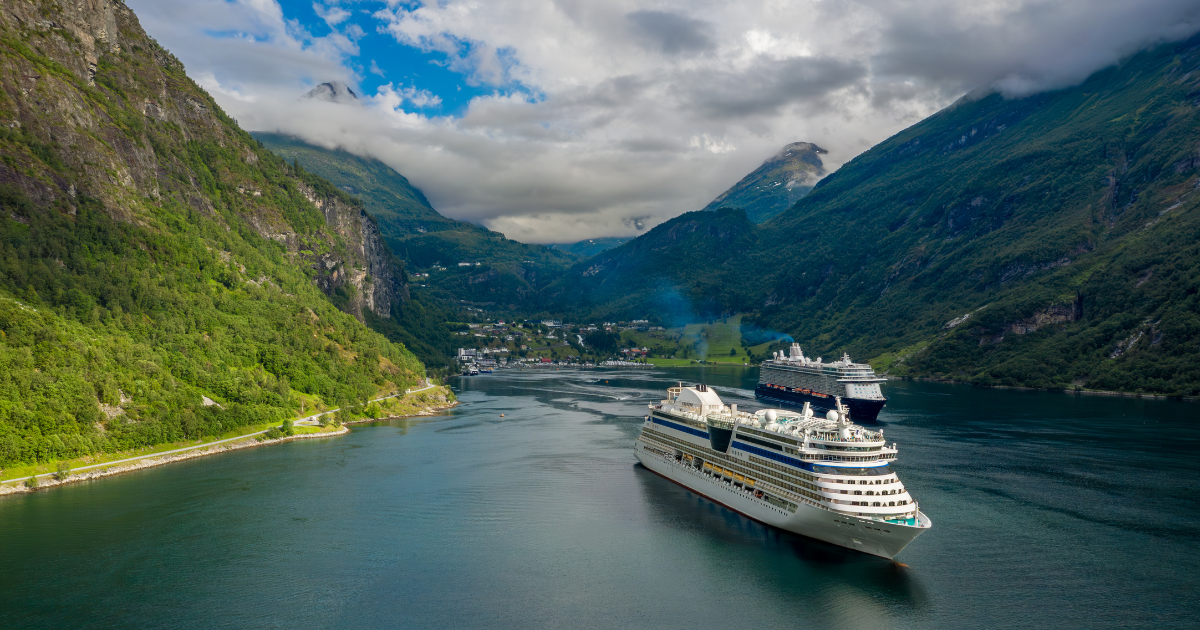
A cruise through the stunning Nærøyfjord and Aurlandsfjord is one of the most breathtaking natural experiences in Norway. These narrow fjords are surrounded by towering cliffs, waterfalls cascading from mountain heights, and picturesque villages along the shoreline. The fjord cruise typically connects Flåm with Gudvangen and lasts around 1.5 to 2 hours, with departures generally scheduled between 10:00 AM and 2:00 PM. Since Nærøyfjord is a UNESCO World Heritage Site, this cruise is often included in organised Norway itineraries.
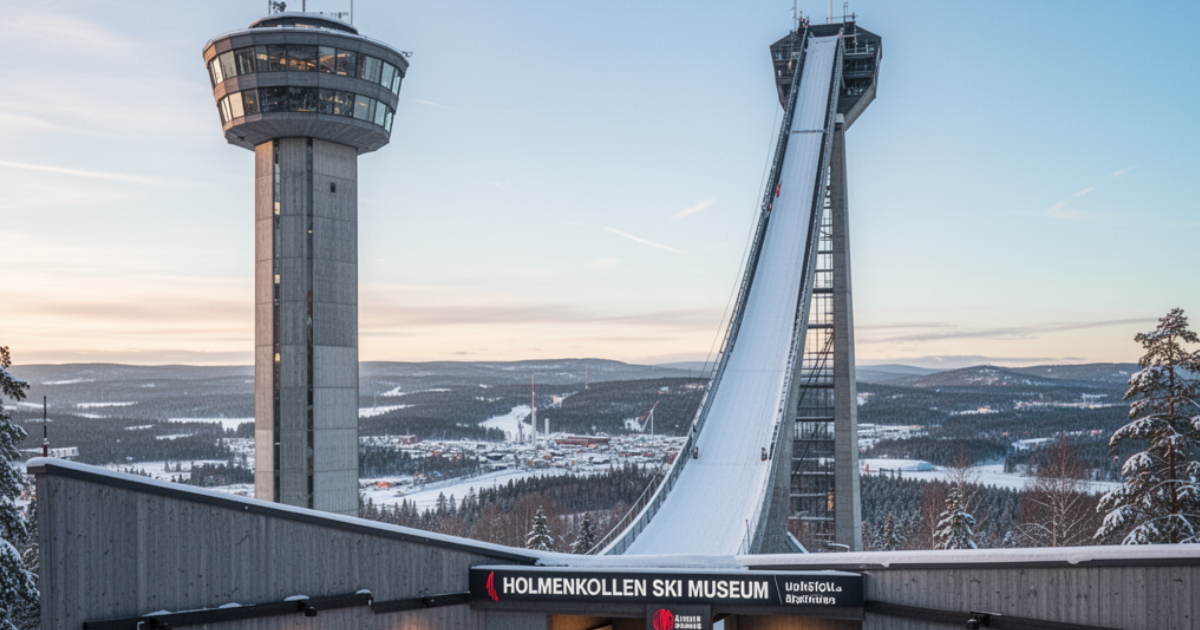
Located on the hills overlooking Oslo, the famous Holmenkollen Ski Jump is one of Norway’s most iconic landmarks. Visitors can explore the Holmenkollen Ski Museum, which tells the story of skiing history and polar exploration, and then take an elevator to the observation platform at the top of the ski jump tower. From here, travellers enjoy panoramic views of Oslo’s forests, lakes, and fjord landscape. The attraction is generally open 10:00 AM – 4:00 PM, making it ideal for a morning or afternoon visit.
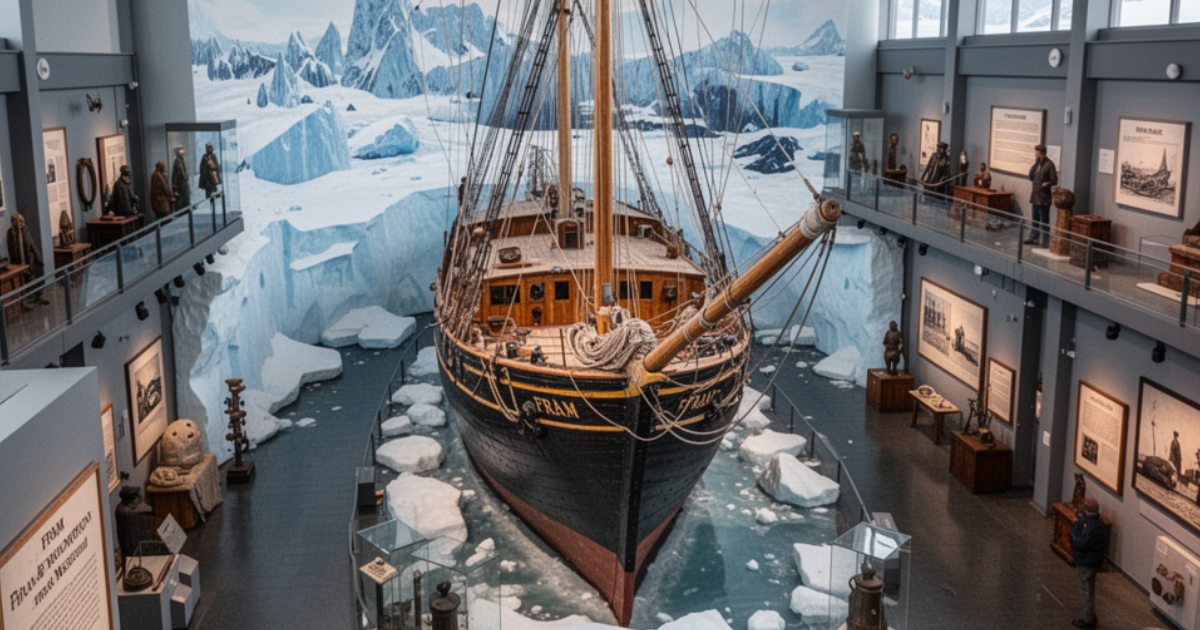
The fascinating Fram Museum in Oslo showcases Norway’s rich history of Arctic and Antarctic exploration. Visitors can step aboard the legendary ship Fram, which carried explorers such as Roald Amundsen during historic polar expeditions. Interactive exhibits explain life in extreme polar conditions and the challenges faced by early explorers. The museum typically operates between 10:00 AM and 5:00 PM, making it a popular stop on Oslo city tours.
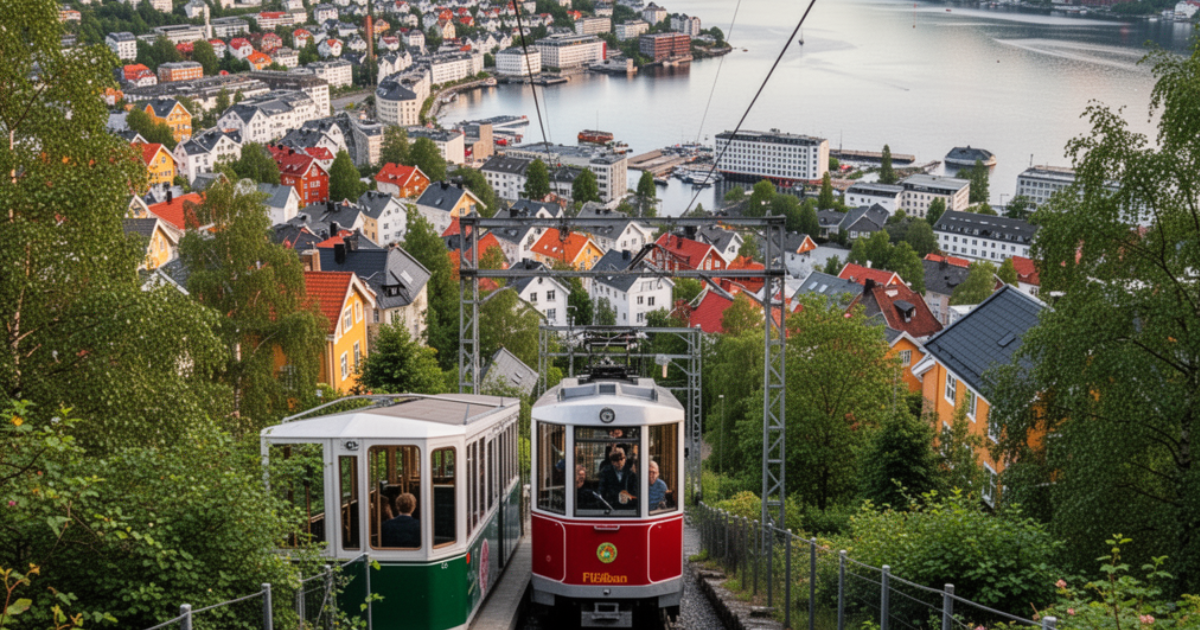
The scenic Fløibanen Funicular takes visitors from the centre of Bergen to the summit of Mount Fløyen in just a few minutes. At the top, travellers can enjoy panoramic views of Bergen’s harbour, surrounding fjords, and nearby islands. The summit area also features walking trails, viewpoints, cafés, and souvenir shops. The funicular operates frequently throughout the day, usually from 7:30 AM to 11:00 PM.
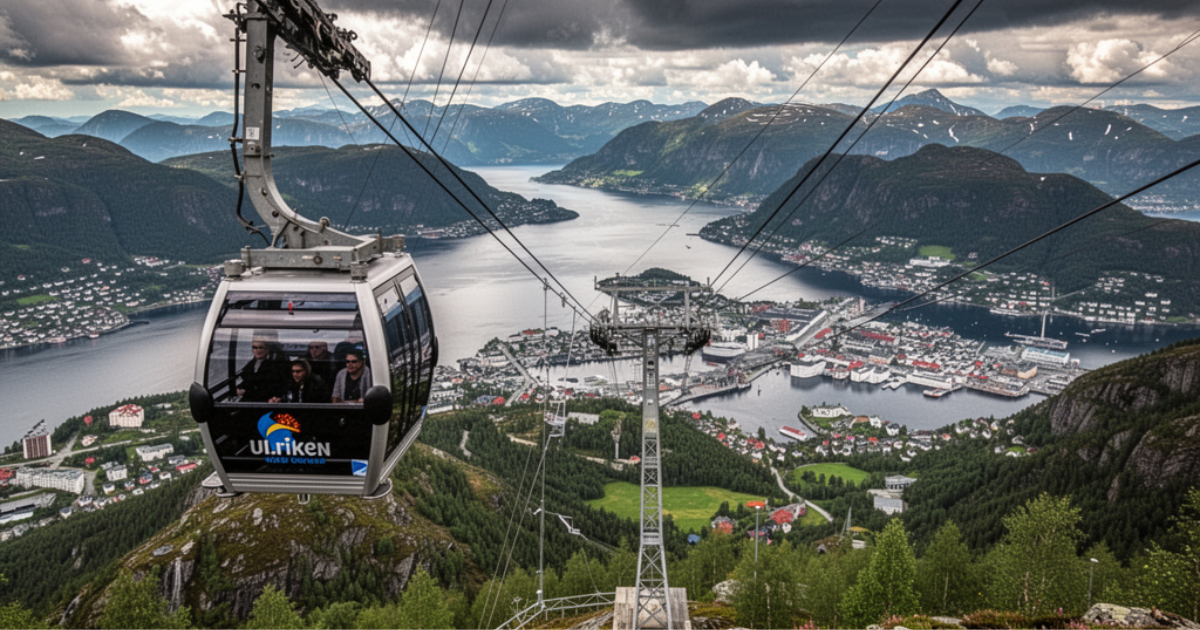
Another spectacular viewpoint in Bergen is reached via the Ulriken Cable Car, which takes visitors to Mount Ulriken, the highest of Bergen’s seven surrounding mountains. The cable car ride offers sweeping views of fjords, mountains, and the colourful city below. At the summit, visitors can enjoy hiking trails, scenic viewpoints, and a mountain restaurant. Operating hours typically range from 9:00 AM to 10:00 PM, depending on the season.
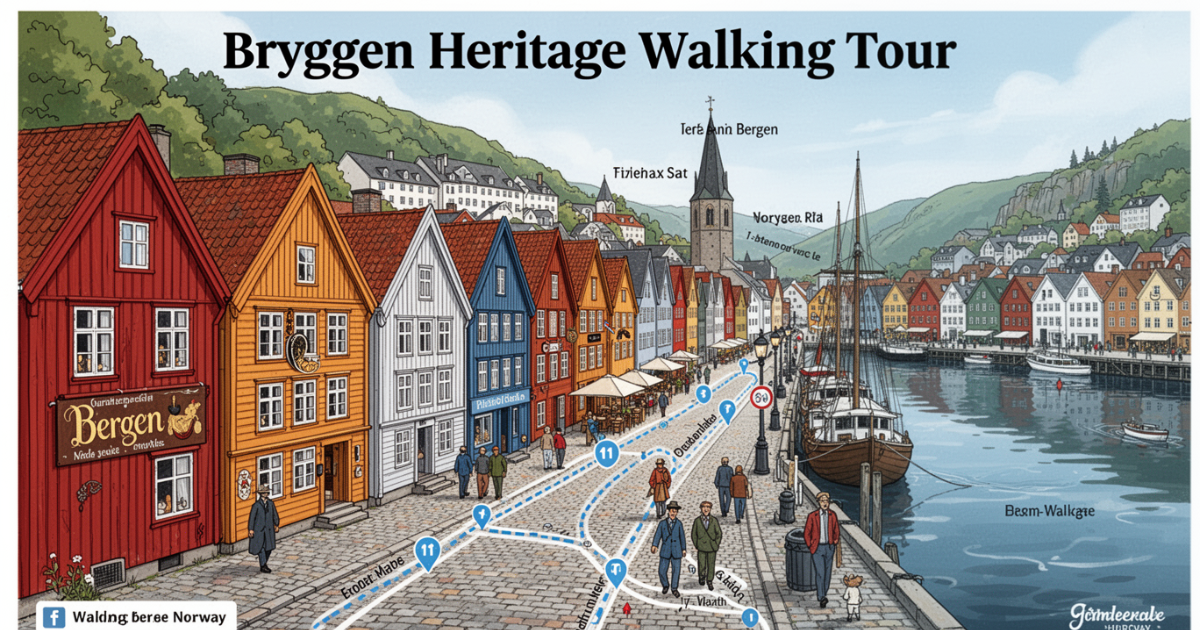
The historic harbour district Bryggen is one of Norway’s most famous landmarks and a UNESCO World Heritage Site. Guided walking tours take visitors through narrow alleys lined with colourful wooden buildings that once served as trading offices for the Hanseatic League. These tours offer insights into Bergen’s maritime history and cultural heritage while exploring art galleries, craft shops, and museums. Tours are usually available in the morning and afternoon.
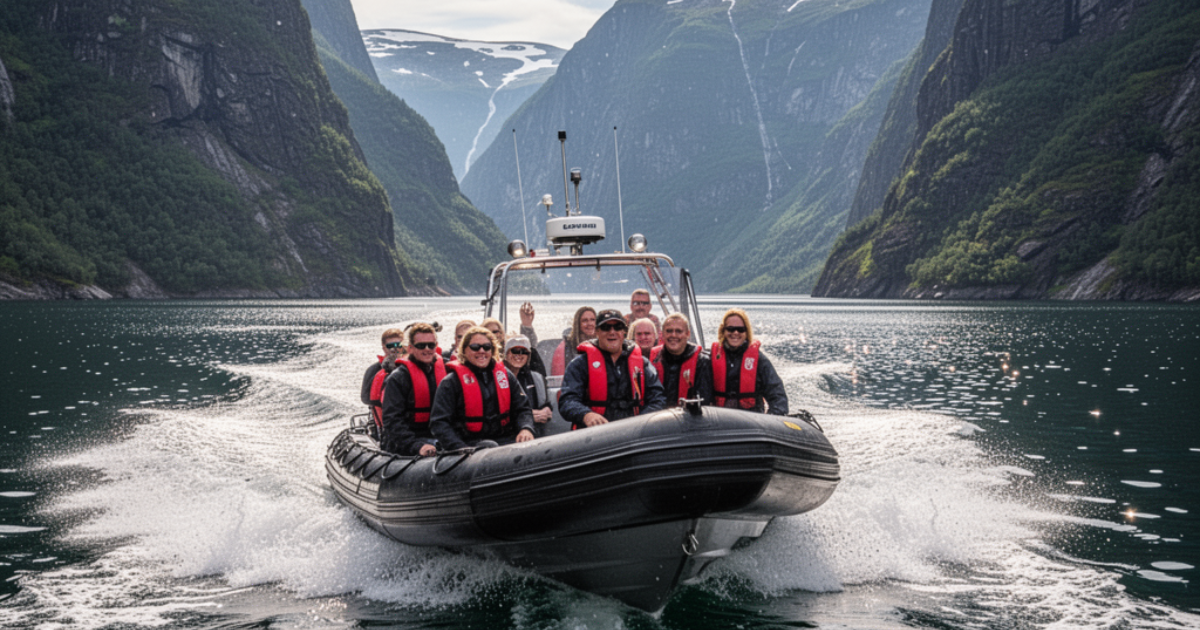
For travellers seeking adventure, a RIB boat fjord safari from Flåm or Bergen provides a thrilling way to explore Norway’s fjords. High-speed rigid inflatable boats navigate narrow fjord passages while expert guides share stories about local wildlife, waterfalls, and Viking history. Travellers may also spot seals, sea eagles, and porpoises along the route. Tours generally operate between 11:00 AM and 4:00 PM, and pre-booking is strongly recommended during the summer travel season.
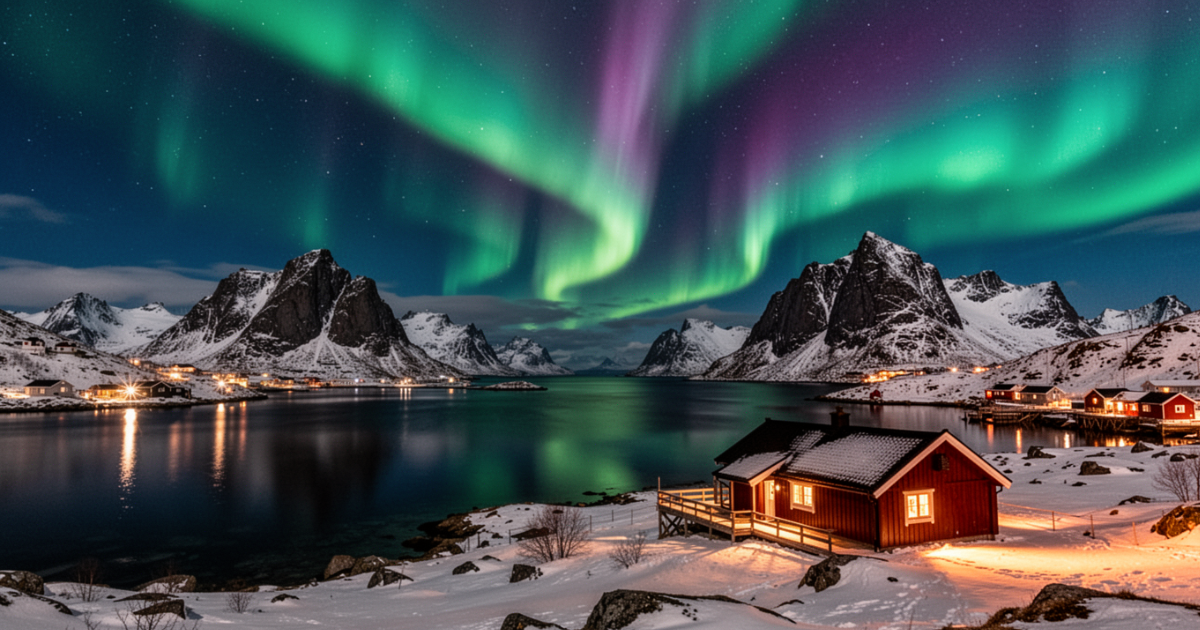
The dramatic landscapes of the Lofoten Islands make them one of the most scenic locations in Norway to witness the Aurora Borealis. Guided Northern Lights tours take travellers to remote beaches, fjords, and mountain viewpoints far from city lights to maximise visibility. The season typically runs from September to April, with tours departing late evening and lasting several hours while guides provide photography tips and warm refreshments.
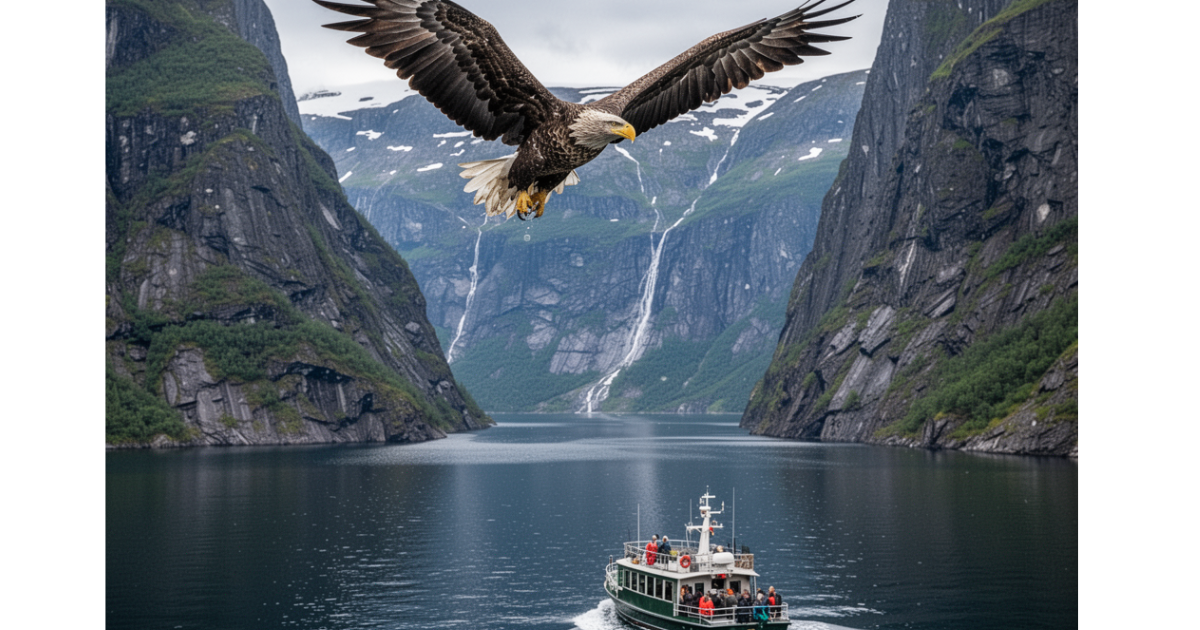
One of the most popular Arctic wildlife experiences in Lofoten is a high-speed RIB boat safari into the spectacular Trollfjord. Travellers cruise through narrow fjord passages surrounded by steep mountains while spotting majestic white-tailed sea eagles soaring overhead. The excursion usually departs from Svolvær and lasts around 2–3 hours, making it a thrilling half-day adventure for nature lovers.
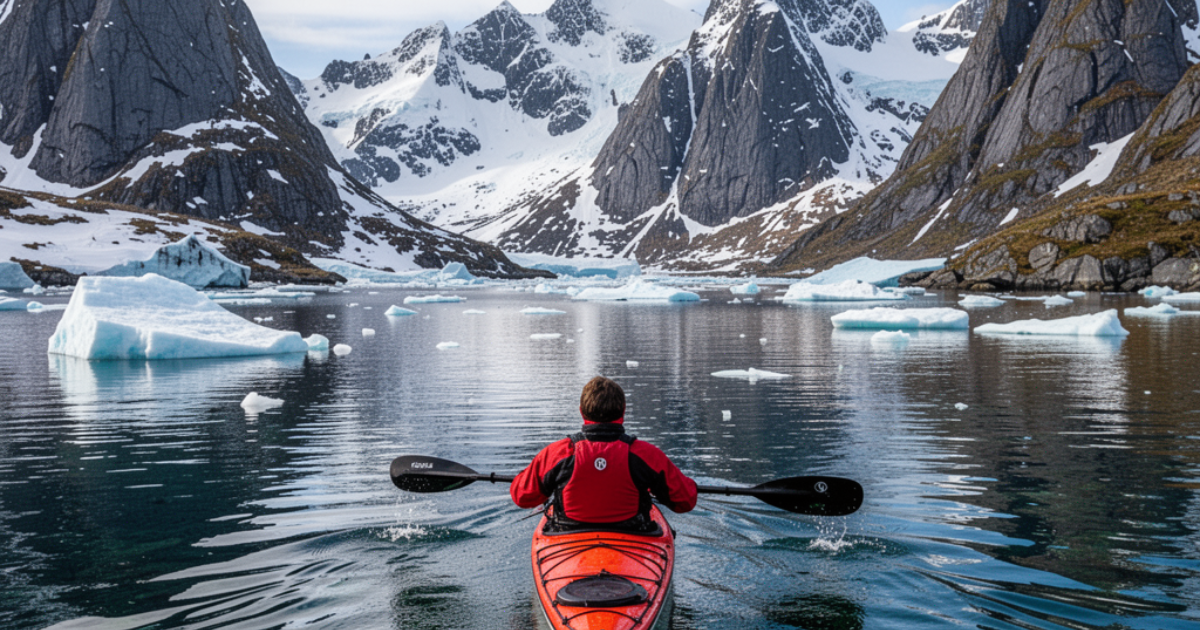
Sea kayaking through the calm fjords and coastal waters of Lofoten offers an intimate way to explore Norway’s Arctic scenery. Guided kayaking tours allow travellers to paddle between small islands, fishing villages, and towering mountains while observing seabirds and marine life along the coastline. These tours typically operate during morning or evening hours, when the sea is calmer and lighting conditions are ideal for photography.
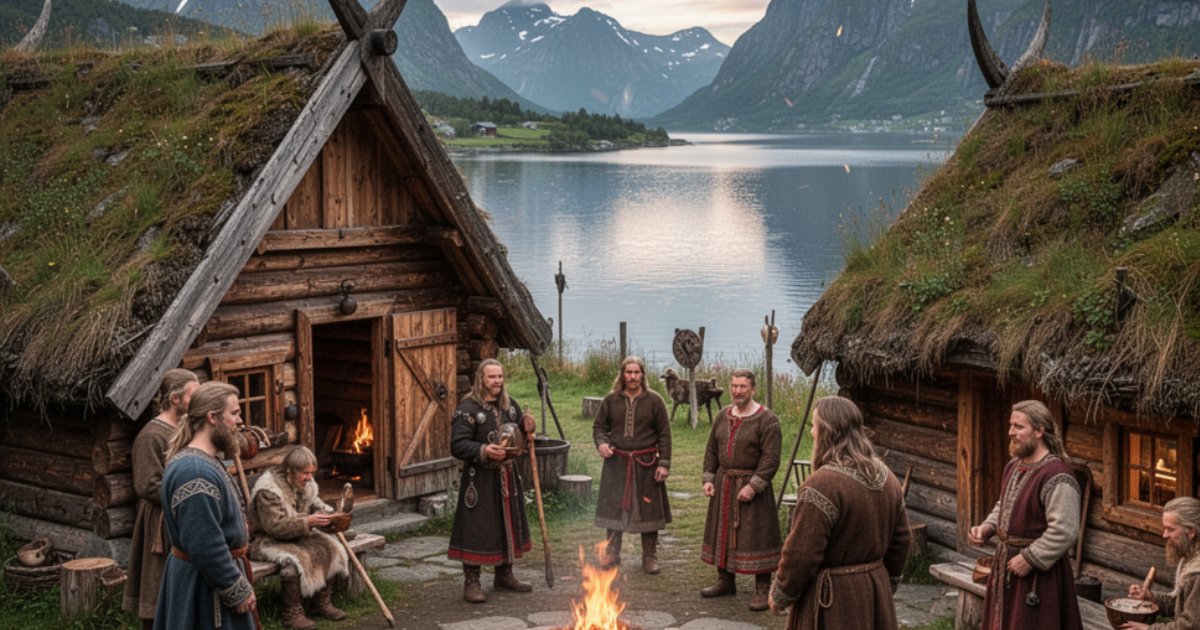
History lovers can explore Viking culture at the Lofotr Viking Museum, located on the island of Vestvågøy. The museum features a reconstruction of a Viking chieftain’s longhouse discovered through archaeological excavations dating back to around the year 500 AD. Visitors can participate in interactive experiences such as Viking feasts, traditional crafts, and storytelling sessions that recreate life during the Viking Age.
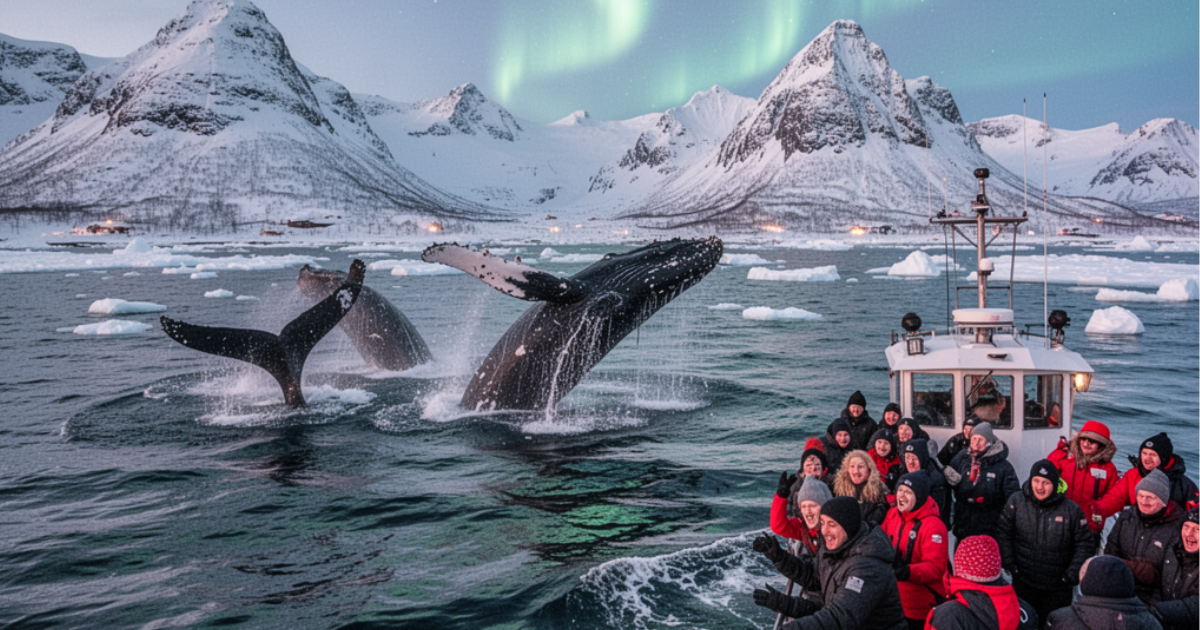
From Arctic ports such as Tromsø and Andenes, travellers can join whale-watching expeditions to observe orcas, humpback whales, and other marine wildlife in their natural habitat. These excursions often operate during winter months when whales migrate into Norwegian waters.
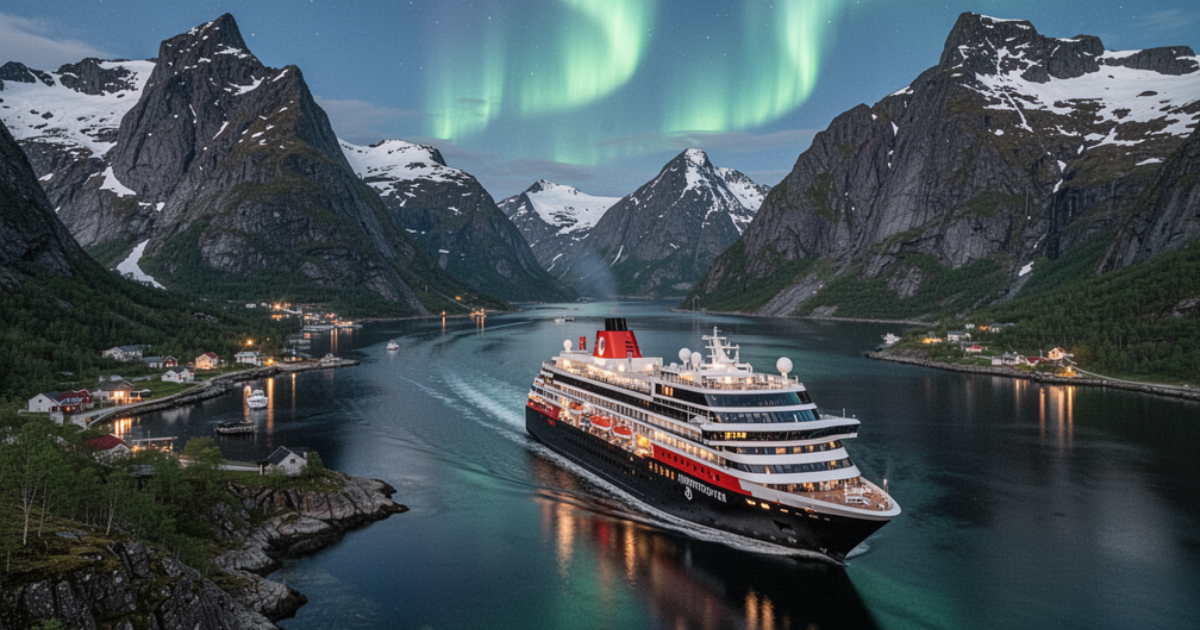
The legendary Hurtigruten Coastal Cruise sails along Norway’s rugged coastline, connecting fjords, islands, and Arctic communities. Travellers can experience spectacular landscapes, local cuisine, and wildlife sightings while cruising between cities such as Bergen, Tromsø, and Kirkenes.