Geography
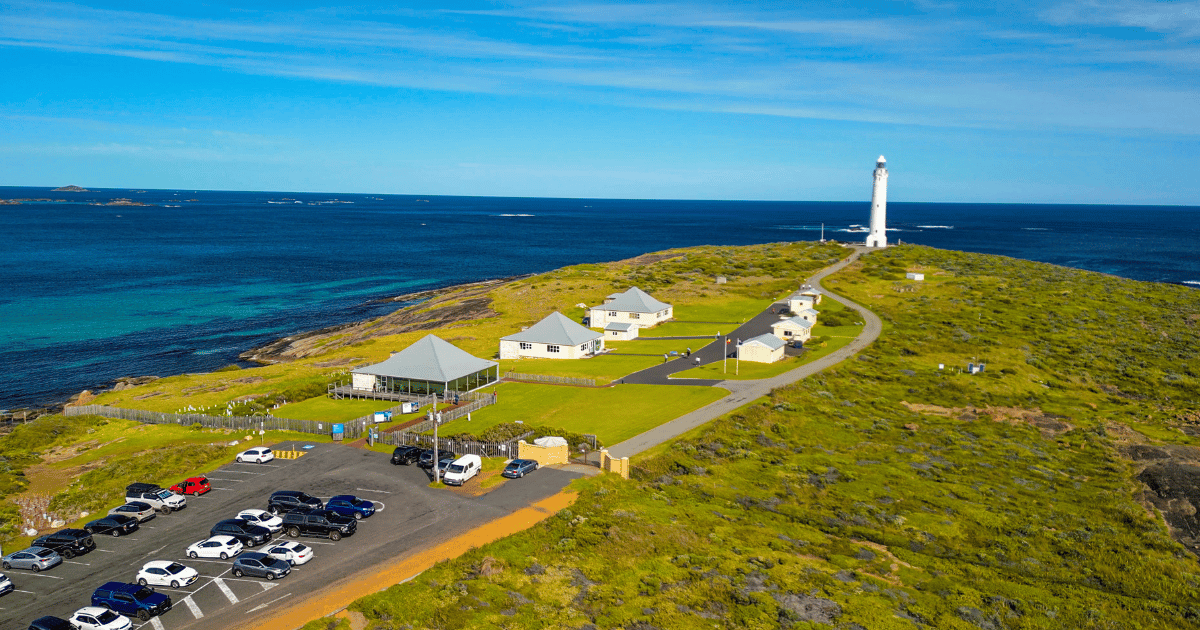
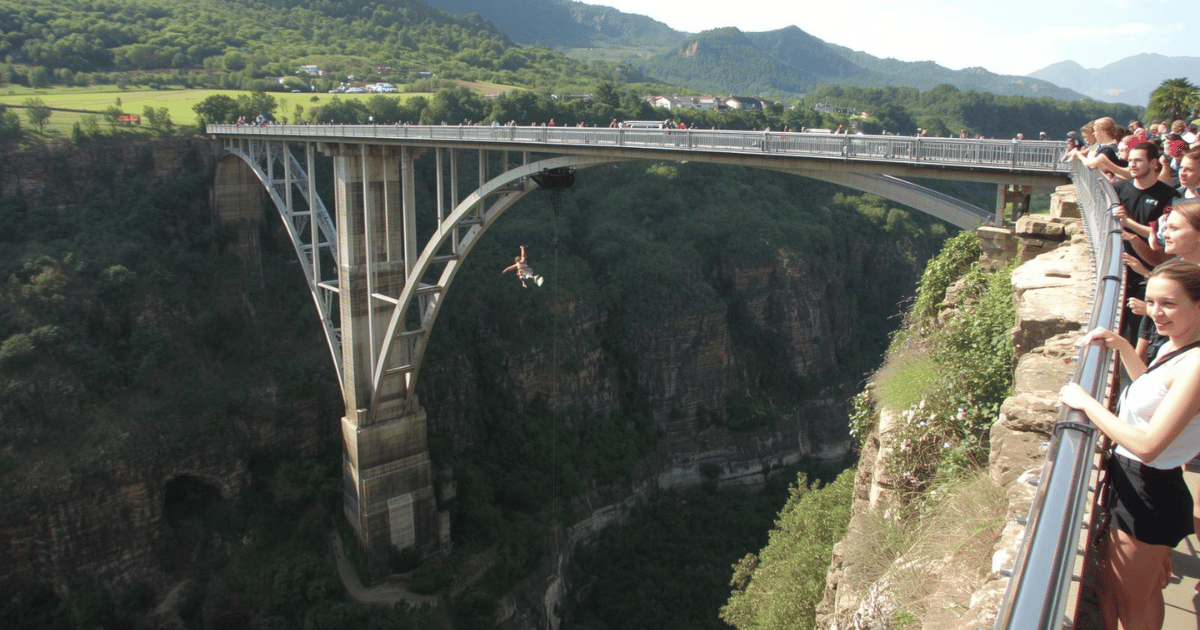
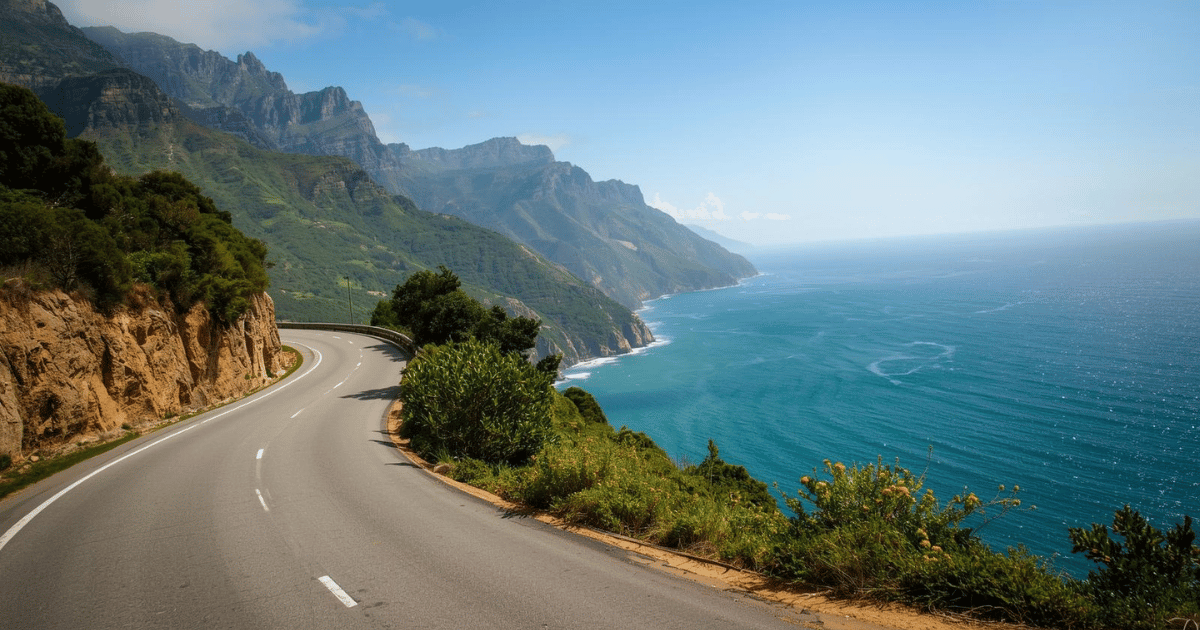
South Africa is located at the southernmost tip of the African continent, bordered by the Atlantic Ocean to the west and the Indian Ocean to the east. This unique position gives the country an incredibly diverse landscape that includes coastal plains, savannah grasslands, mountains, forests, deserts, and world-renowned wildlife reserves. The country shares land borders with Namibia, Botswana, Zimbabwe, Mozambique, and Eswatini, while the small mountain kingdom of Lesotho is completely surrounded by South African territory.
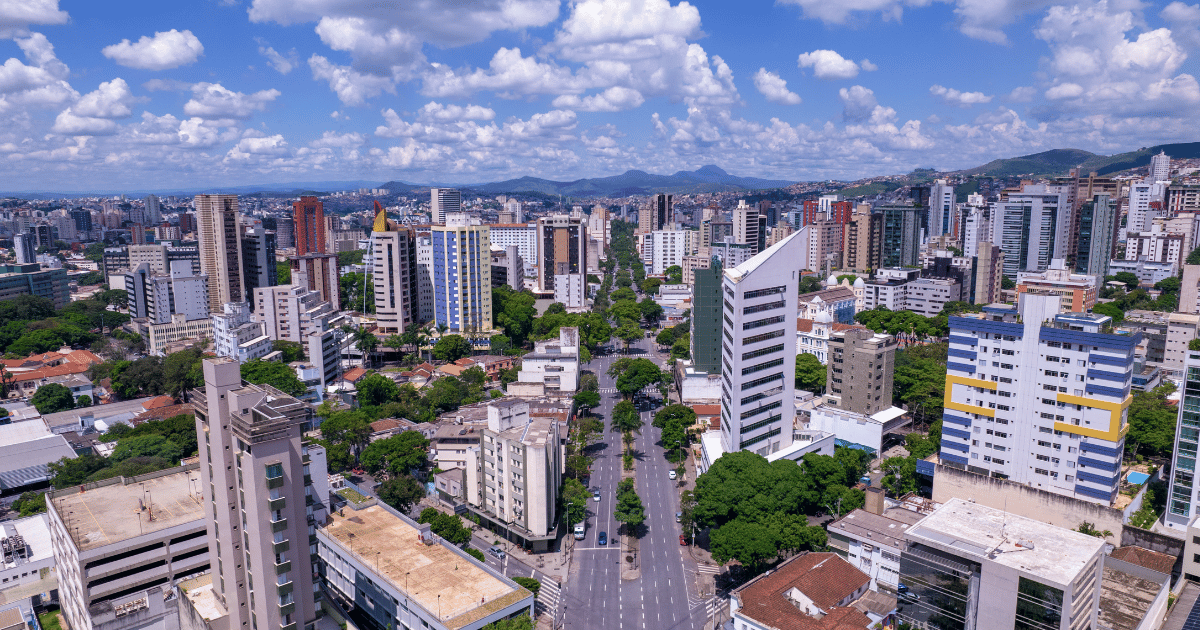
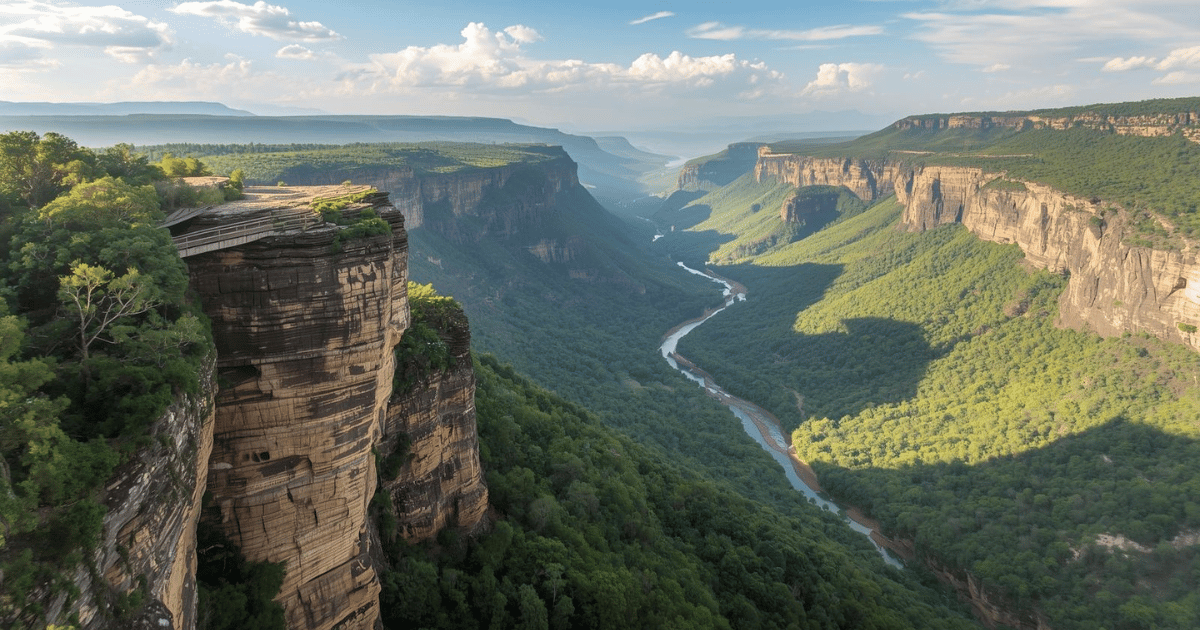
The country’s geography is dominated by a large interior plateau known as the Highveld, which sits at an elevation of around 1,200–1,800 meters above sea level. Major cities such as Johannesburg and Pretoria are located in this plateau region. Surrounding the plateau are dramatic mountain ranges including the famous Drakensberg Mountains, which form the highest mountain system in the country and offer spectacular hiking and scenic landscapes.
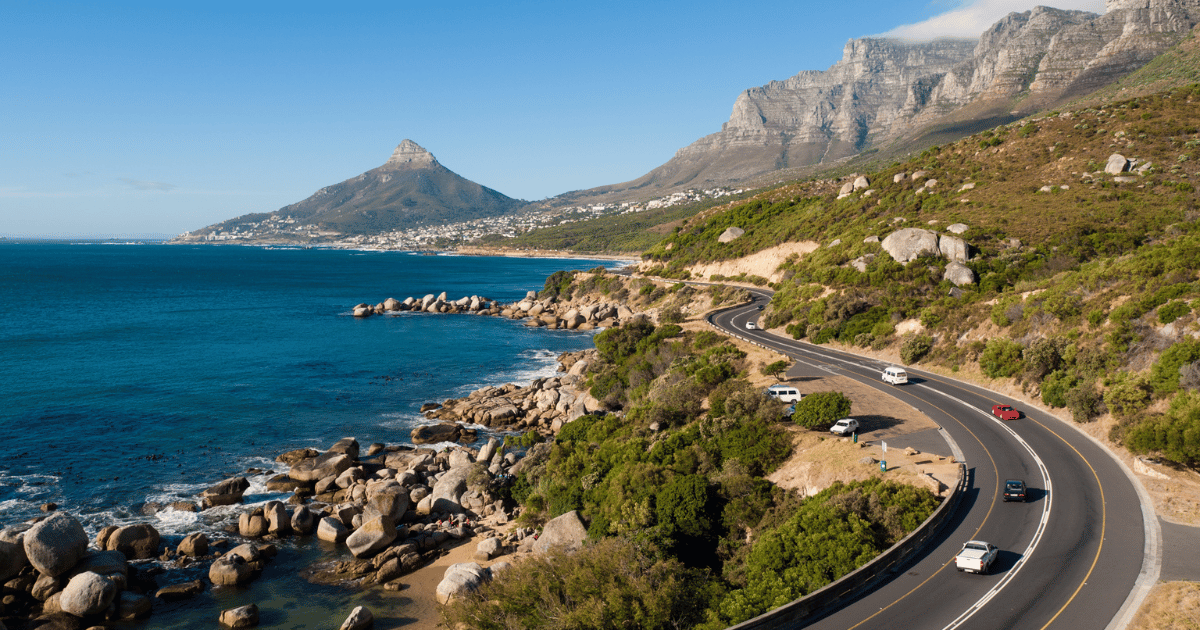
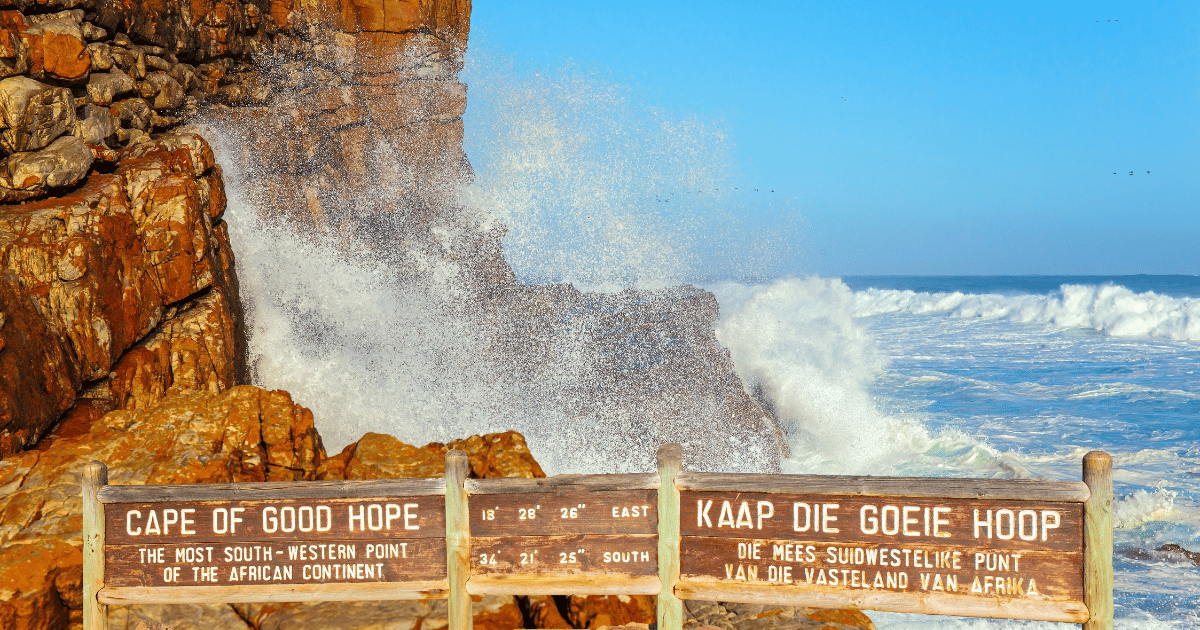
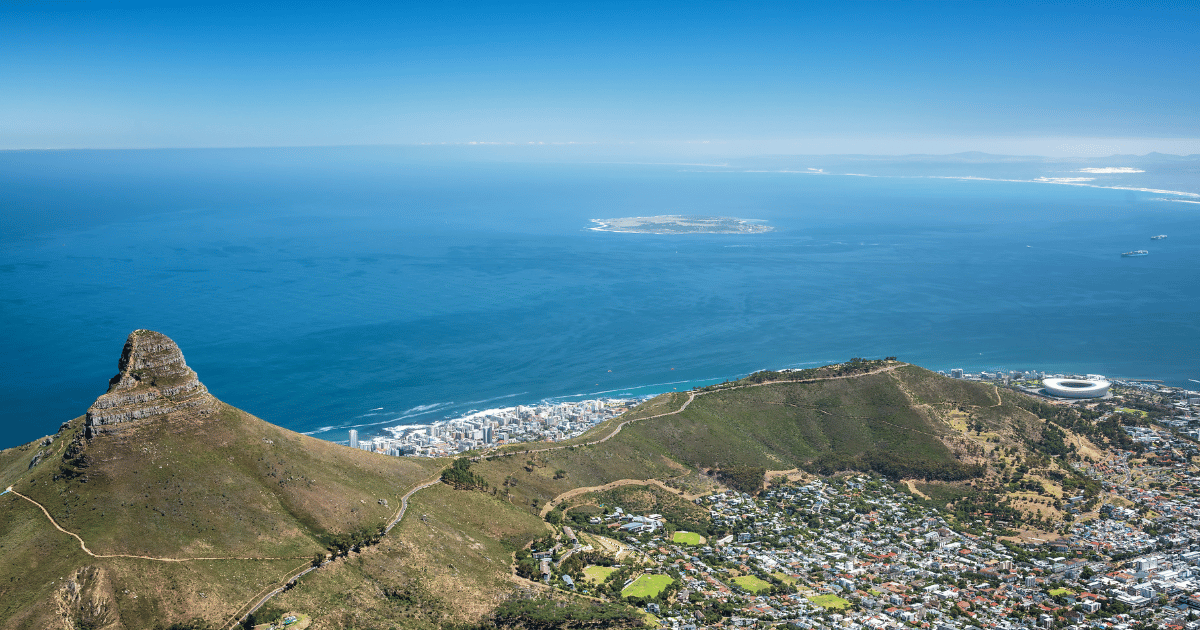
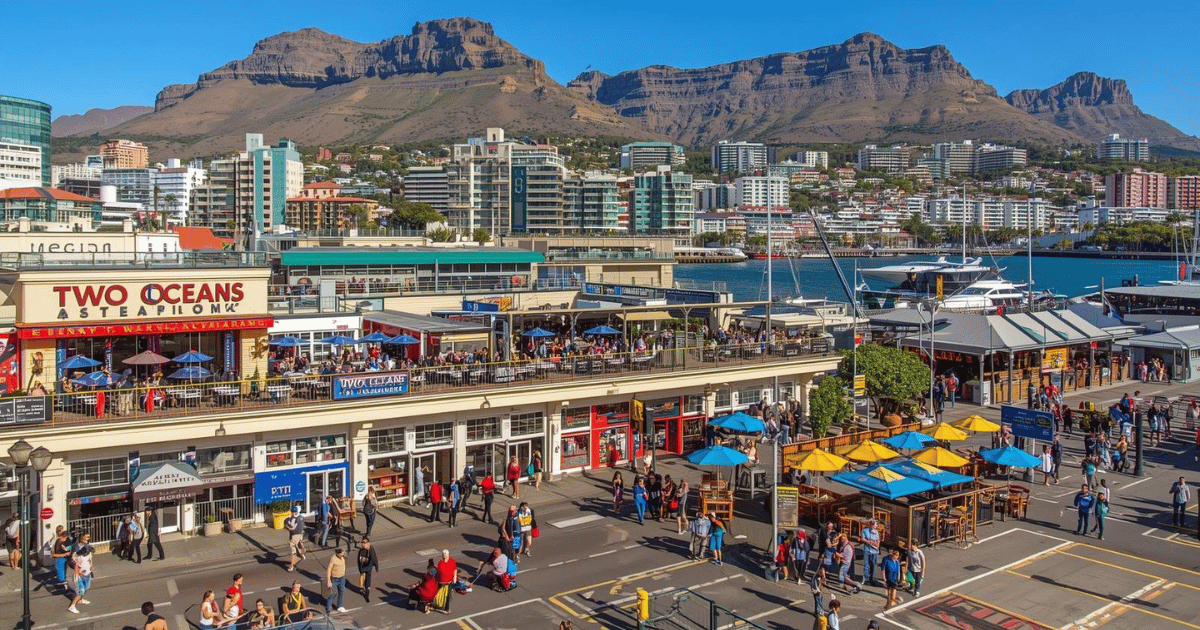
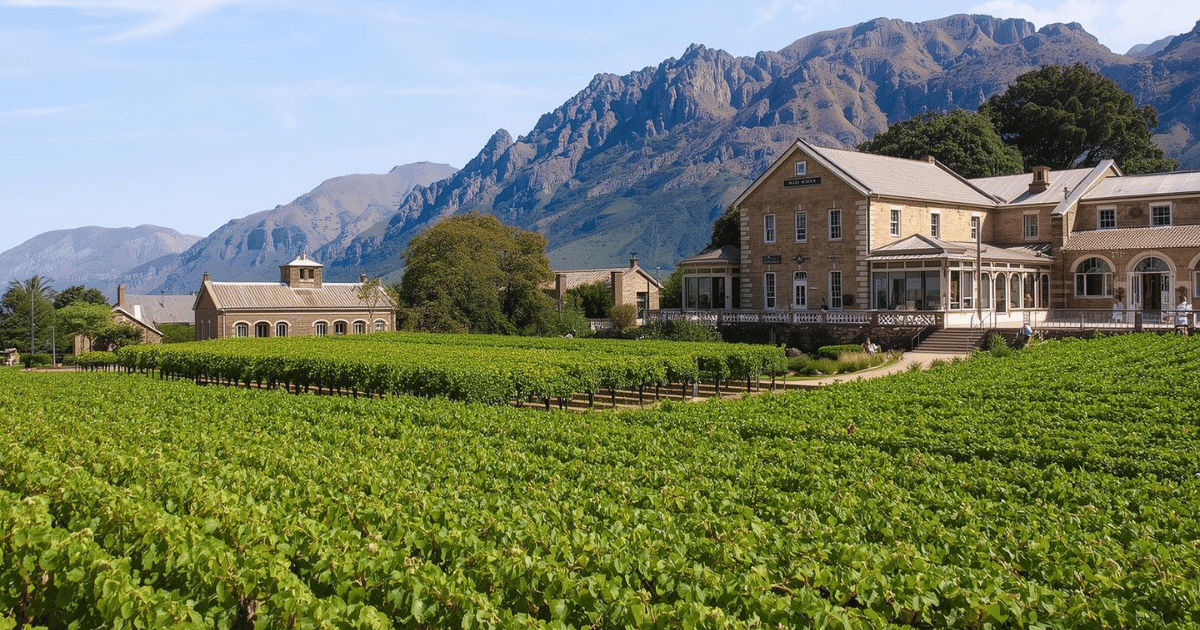
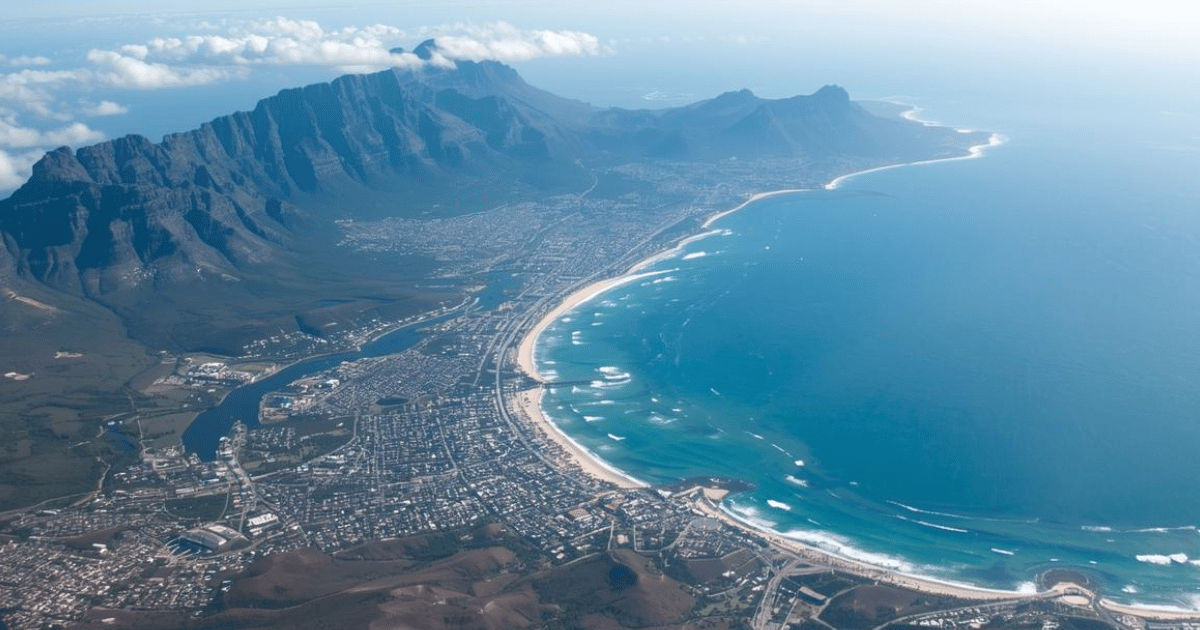
The southwestern part of the country is home to the scenic coastal city of Cape Town, located beneath the iconic Table Mountain. This region is known for its Mediterranean-style climate, vineyards, rugged cliffs, and beautiful beaches along the Atlantic Ocean.
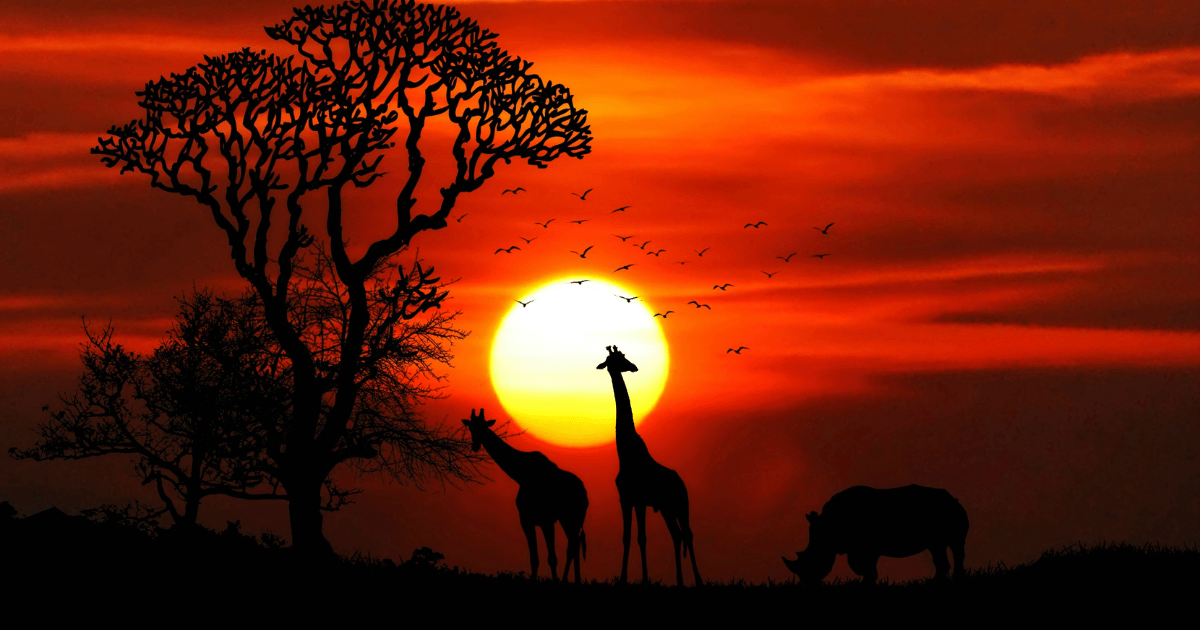
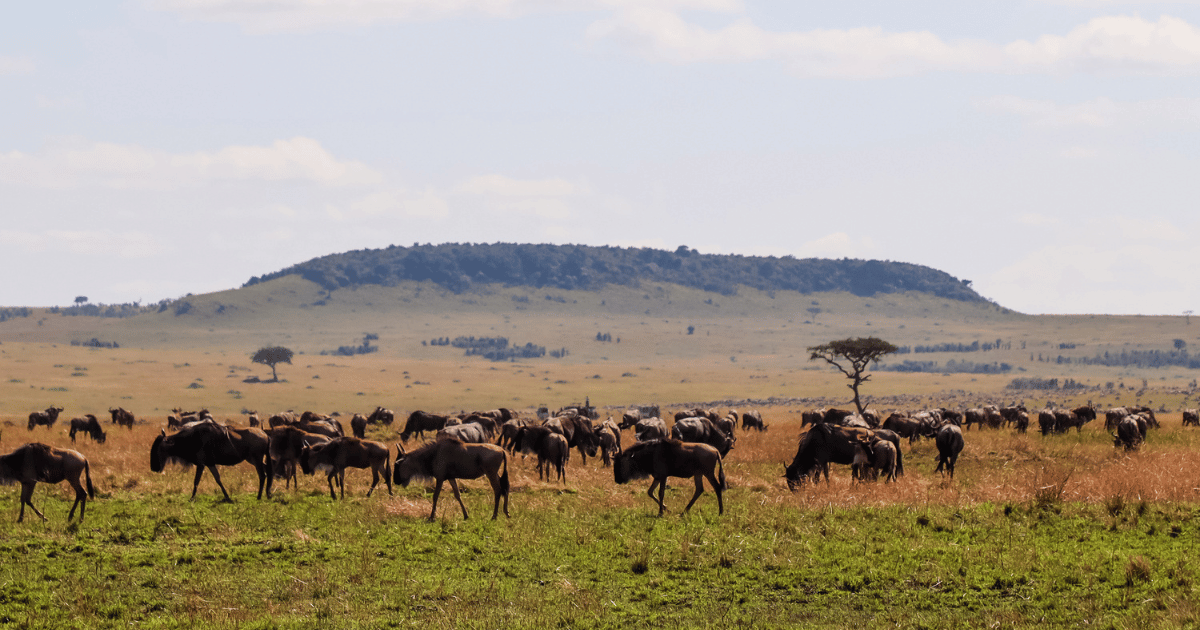
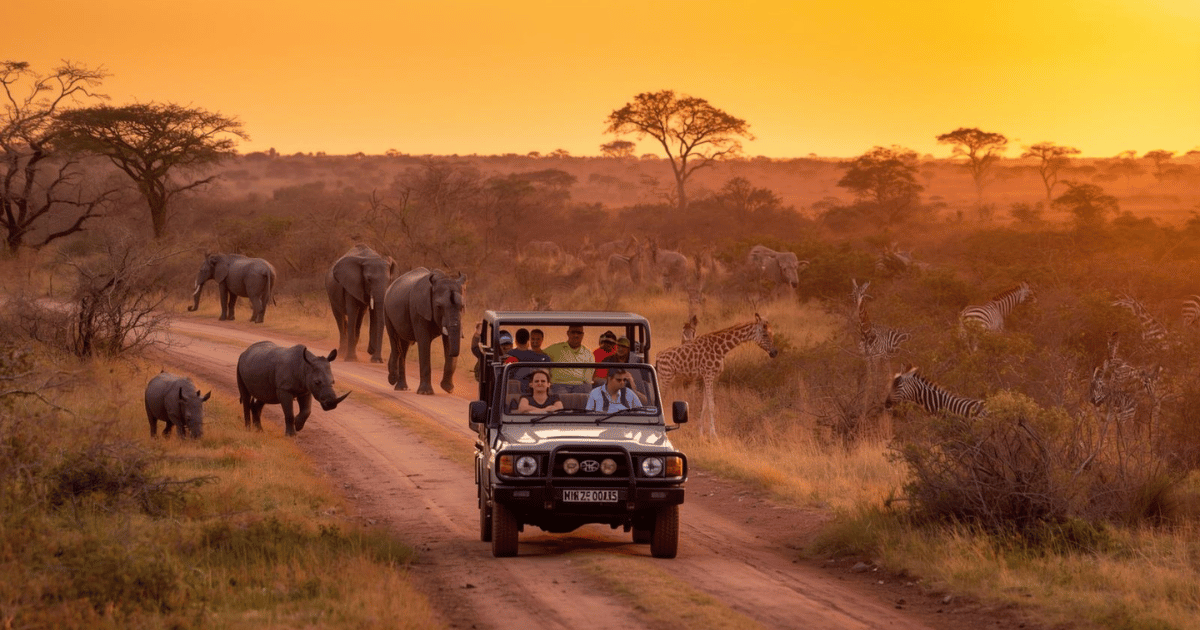
South Africa is also famous for its vast wildlife reserves and national parks, the most prominent being Kruger National Park in the northeastern part of the country. The park spans nearly 20,000 square kilometres and forms part of a larger transfrontier conservation area that extends into neighbouring countries, making it one of the most significant wildlife habitats in Africa.
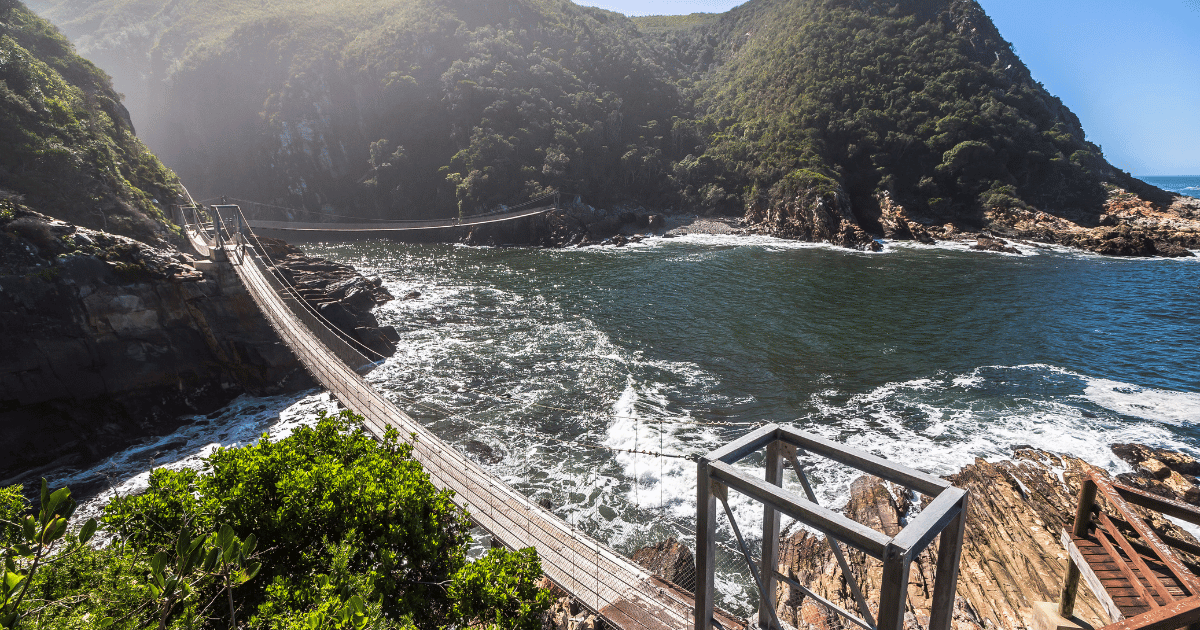
With its combination of mountains, deserts, forests, coastlines, and savannah plains, South Africa offers an extraordinary geographical diversity that supports a rich variety of ecosystems, wildlife, and natural attractions. This diverse geography is one of the main reasons why South Africa is considered one of the most scenic and adventure-filled destinations in the world.
Currency
The official currency of South Africa is the South African Rand (ZAR). Major cities and tourist destinations widely accept international credit and debit cards, but carrying some local currency is recommended when visiting smaller towns, markets, or rural safari areas.
ATMs are easily available in major cities such as Cape Town, Johannesburg, and Durban. Currency exchange services are available at airports, hotels, and authorised exchange centres.
Getting Here
Indian travellers can reach South Africa via connecting international flights from major Indian cities such as Delhi, Mumbai, and Bengaluru. The most common gateway airports are O.R. Tambo International Airport in Johannesburg and Cape Town International Airport in Cape Town.
There are usually one-stop connections via Doha, Dubai, Addis Ababa, or Nairobi, with total travel times ranging between 12 and 16 hours depending on the route. Popular airlines servicing this route include Middle Eastern and African carriers offering convenient connections.
Indian passport holders are required to obtain a South African tourist visa prior to travel, and applications are generally processed through authorised visa service providers.
Best Time to Travel
The best time to visit South Africa depends largely on the experiences travellers are looking for, as the country offers different attractions throughout the year including wildlife safaris, coastal holidays, and scenic drives. In general, the most popular travel months are from May to September, when the weather is cooler and drier in many regions, making it an excellent time for wildlife viewing in national parks such as Kruger National Park. During this period, vegetation is thinner and animals gather around water sources, increasing the chances of spotting the Big Five — lion, elephant, rhino, leopard, and buffalo during safari game drives.
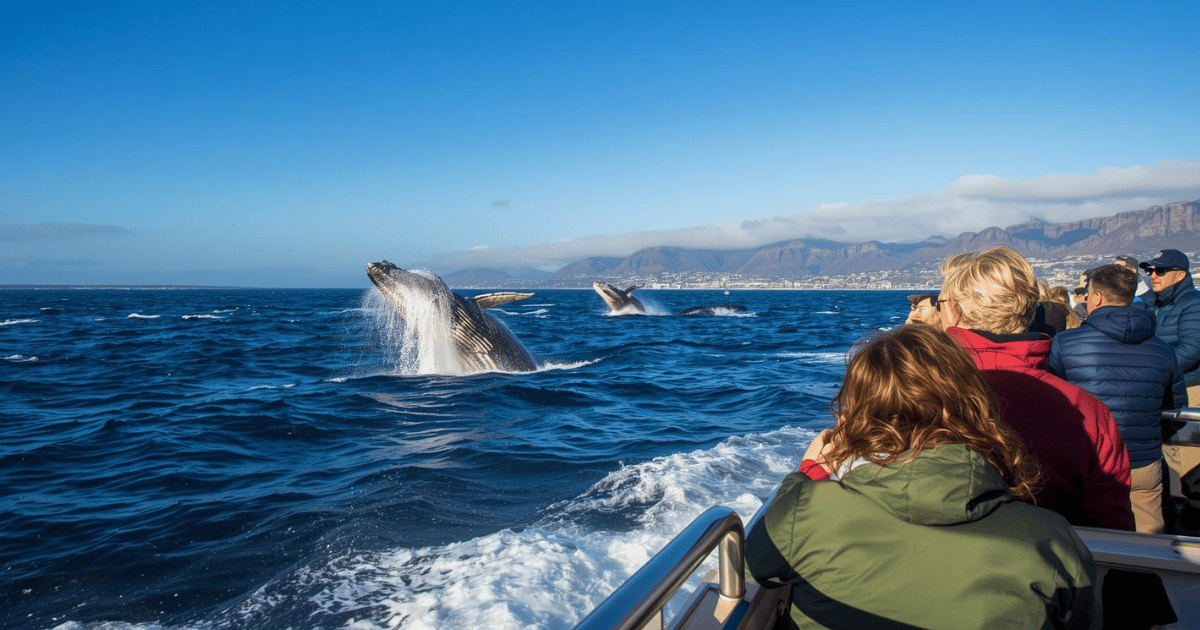
For travellers planning to explore coastal destinations like Cape Town and the scenic Garden Route, the best months are November to March, which fall during the South African summer. This season offers warm temperatures, clear skies, and ideal conditions for beach visits, whale watching, scenic drives, and outdoor activities such as hiking and vineyard tours.
Spring (September to November) is also a wonderful time to visit as landscapes become lush and colourful, particularly along the Western Cape region where wildflowers bloom across the countryside. Autumn (March to May) offers pleasant temperatures, fewer crowds, and excellent travel conditions, making it a great time for city exploration and road trips.
Overall, South Africa is considered a year-round destination, but the dry winter months are best for safari experiences, while the summer months are ideal for coastal travel and exploring cities like Cape Town and Johannesburg.
Money Saving Tips
• Travel during shoulder seasons (May–June and September) for better hotel rates.
• Book safari lodges and Garden Route hotels well in advance.
• Consider self-drive travel for the Garden Route to save on private transfers.
• Look for combination tickets for wildlife parks and attractions.
• Use local SIM cards for cheaper internet and navigation.
• Many national parks offer affordable entry passes if booked online in advance.
What To Pack
• Comfortable walking shoes for city tours and safaris
• Light jackets or layers for cooler evenings
• Sunscreen, sunglasses, and a hat
• Camera or binoculars for wildlife viewing
• Universal travel adapter (Type M plug commonly used)
• Lightweight clothing for daytime and warmer clothing for early morning safaris
• Travel insurance and copies of important documents